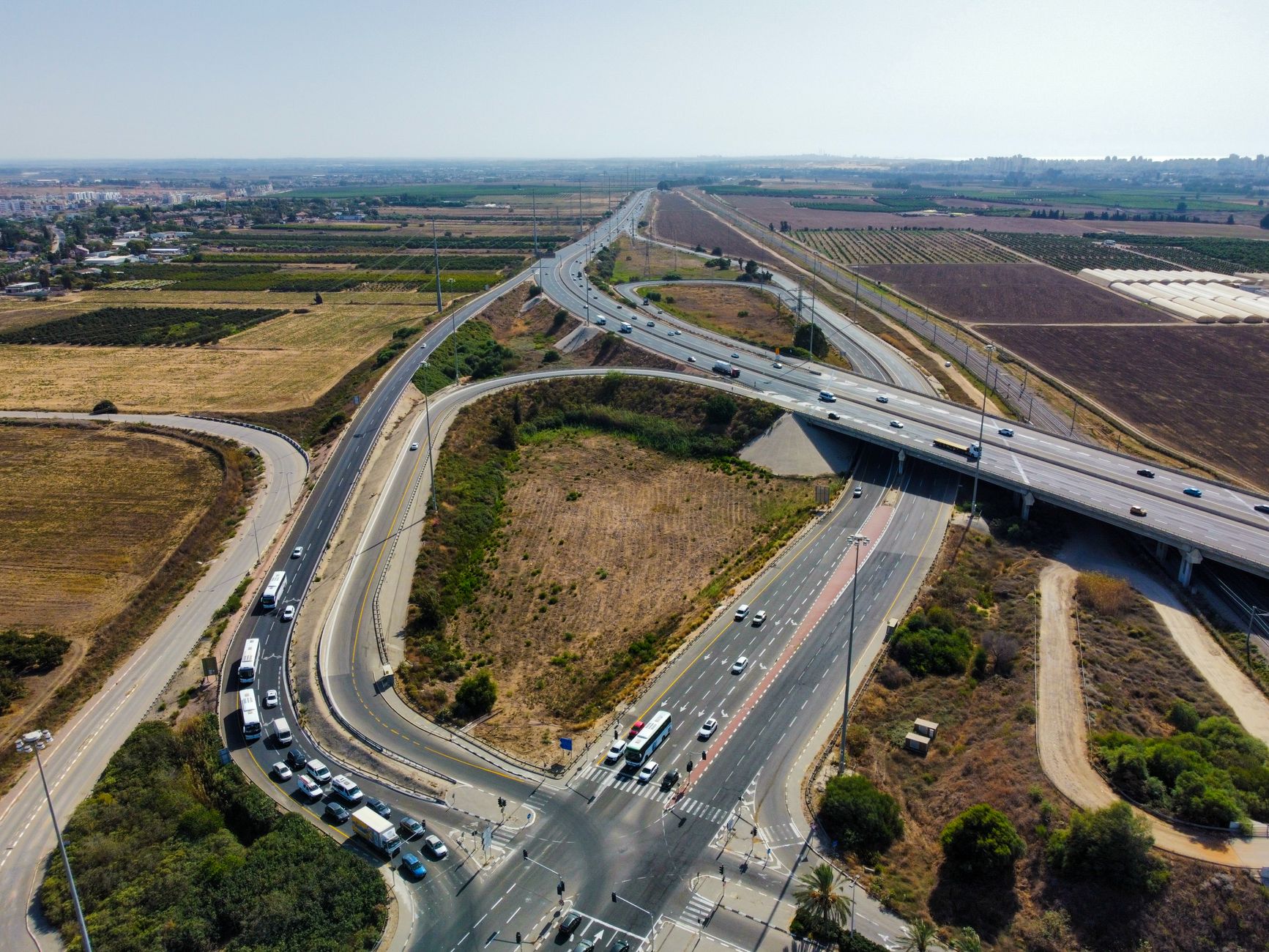
Strategic road infrastructure is under review by DGBR as part of project Brahmank in Arunachal Pradesh. This initiative aims to enhance connectivity and development in the region.
Overview of Project Brahmank
Project Brahmank has emerged as a pivotal initiative aimed at enhancing strategic road infrastructure in Arunachal Pradesh. The project has garnered attention for its comprehensive approach to developing road networks that are essential for connectivity and economic growth in the region.
The Defence Geo-Informatics and Research Establishment (DGBR) recently conducted a review of the project’s progress, highlighting several key aspects:
- Infrastructure Development: The project focuses on constructing all-weather roads that will facilitate better access to remote areas.
- Economic Impact: Improved road connectivity is expected to boost local economies by enabling easier transport of goods and services.
- Security Considerations: Enhanced road infrastructure is crucial for national security, particularly in border areas.
- Community Engagement: The project involves local communities to ensure that their needs and concerns are addressed during the development process.
As Project Brahmank progresses, it is anticipated that the strategic road infrastructure will not only improve mobility but also stimulate growth and development in Arunachal Pradesh, setting a benchmark for future infrastructural projects across the country.
Importance of Strategic Road Infrastructure
The significance of strategic road infrastructure cannot be overstated, particularly in regions like Arunachal Pradesh where connectivity plays a crucial role in development. As the DGBR recently reviewed, enhancing road infrastructure is essential for facilitating trade, improving access to remote areas, and ensuring national security.
In addition to economic benefits, well-planned road systems contribute to social development by connecting communities and enhancing access to essential services. The following points highlight the importance of strategic road infrastructure:
- Economic Growth: Improved roads encourage investment, boost local businesses, and create job opportunities.
- Accessibility: Better roads provide easier access to healthcare, education, and government services, significantly improving the quality of life for residents.
- National Security: Strategic road networks are vital for quick mobilization of defense forces and resources in times of need.
- Disaster Response: Robust road infrastructure enables timely disaster management and relief operations, crucial for vulnerable regions.
Thus, investing in strategic road infrastructure not only enhances the physical landscape but also fosters holistic development, making it a priority for policymakers and stakeholders alike.
DGBR’s Role in Development
The Director General Border Roads (DGBR) plays a crucial role in the development of strategic road infrastructure, particularly in regions like Arunachal Pradesh. Under Project Brahmank, the DGBR is responsible for overseeing the construction and maintenance of vital road networks that enhance connectivity and support economic growth.
In a recent review meeting, the DGBR emphasized the importance of timely project execution to ensure that the strategic road infrastructure meets the needs of the local population and defense forces. The integration of advanced engineering techniques and sustainable practices is a priority, ensuring that roads are not only built to last but are also environmentally friendly.
Key responsibilities of the DGBR include:
- Assessing the current status of road projects under the Brahmank initiative.
- Coordinating with state and local authorities to streamline project approvals.
- Implementing innovative solutions to address geographical challenges.
- Enhancing training programs for local labor to boost employment.
By focusing on these areas, the DGBR aims to create a robust framework for strategic road infrastructure that will not only facilitate better transportation but also catalyze broader development initiatives in the region.
Future Prospects for Arunachal Pradesh
As Arunachal Pradesh continues to develop its strategic road infrastructure under Project Brahmank, the future prospects for the region appear promising. The enhanced connectivity is expected to significantly boost economic growth and improve accessibility to remote areas.
Key benefits of this development include:
- Economic Growth: Improved roads facilitate trade and tourism, fostering local businesses and attracting investments.
- Social Development: Better access to education and healthcare services will enhance the quality of life for residents.
- Security Enhancements: A robust road network will strengthen logistics for defense and emergency responses, ensuring the safety of the region.
- Environmental Considerations: Sustainable construction methods can be implemented, promoting eco-friendly practices while developing the infrastructure.
The collaboration between state authorities and the DGBR has been vital in executing these plans effectively. Furthermore, the integration of advanced technology in road construction promises to increase efficiency and durability. As the strategic road infrastructure continues to evolve, Arunachal Pradesh stands at the threshold of a transformative era, with the potential to emerge as a pivotal player in India’s northeastern development strategy.
Challenges in Infrastructure Development
The development of strategic road infrastructure faces several challenges that can hinder progress and effectiveness. These obstacles must be addressed to ensure that projects like Project Brahmank meet their developmental objectives in regions such as Arunachal Pradesh.
- Geographical Constraints: The rugged terrain and diverse geography of Arunachal Pradesh pose significant challenges in road construction. The need for extensive engineering solutions can lead to increased costs and extended timelines.
- Funding Limitations: Adequate funding is crucial for the timely completion of infrastructure projects. Many initiatives face budgetary constraints, which can delay progress and affect the quality of the construction.
- Environmental Concerns: The ecological sensitivity of the region requires careful planning and execution. Balancing infrastructure development with environmental preservation is essential but can complicate project timelines.
- Local Engagement: Gaining the support of local communities is vital for the success of infrastructure projects. Resistance from residents can arise due to inadequate communication and understanding of the benefits of strategic road infrastructure.
Addressing these challenges is essential for maximizing the impact of road development efforts, ultimately facilitating better access, economic growth, and improved quality of life for the residents of Arunachal Pradesh.
Photo by Lio Voo on Pexels
References
- Ultra-Luxury Project Gurugram: Best Proven Investment
- WiFi 8 technology: Best proven smart home upgrade
- NBCC New Project Orders: Worthy Investment Opportunity
About the Author