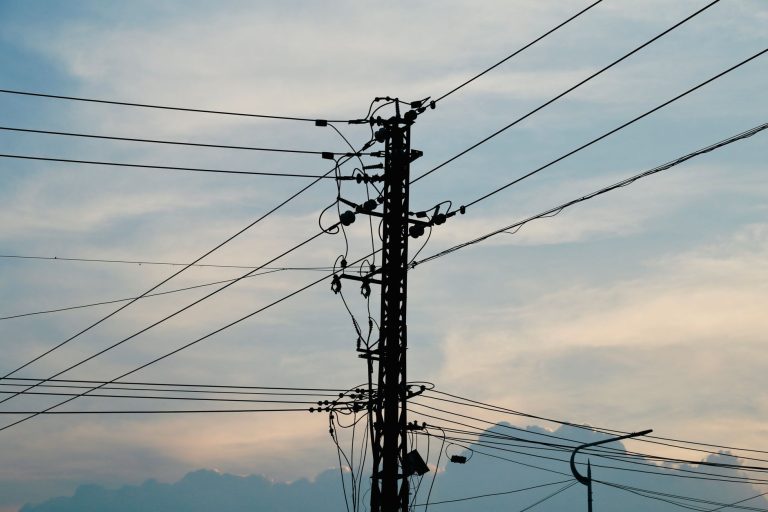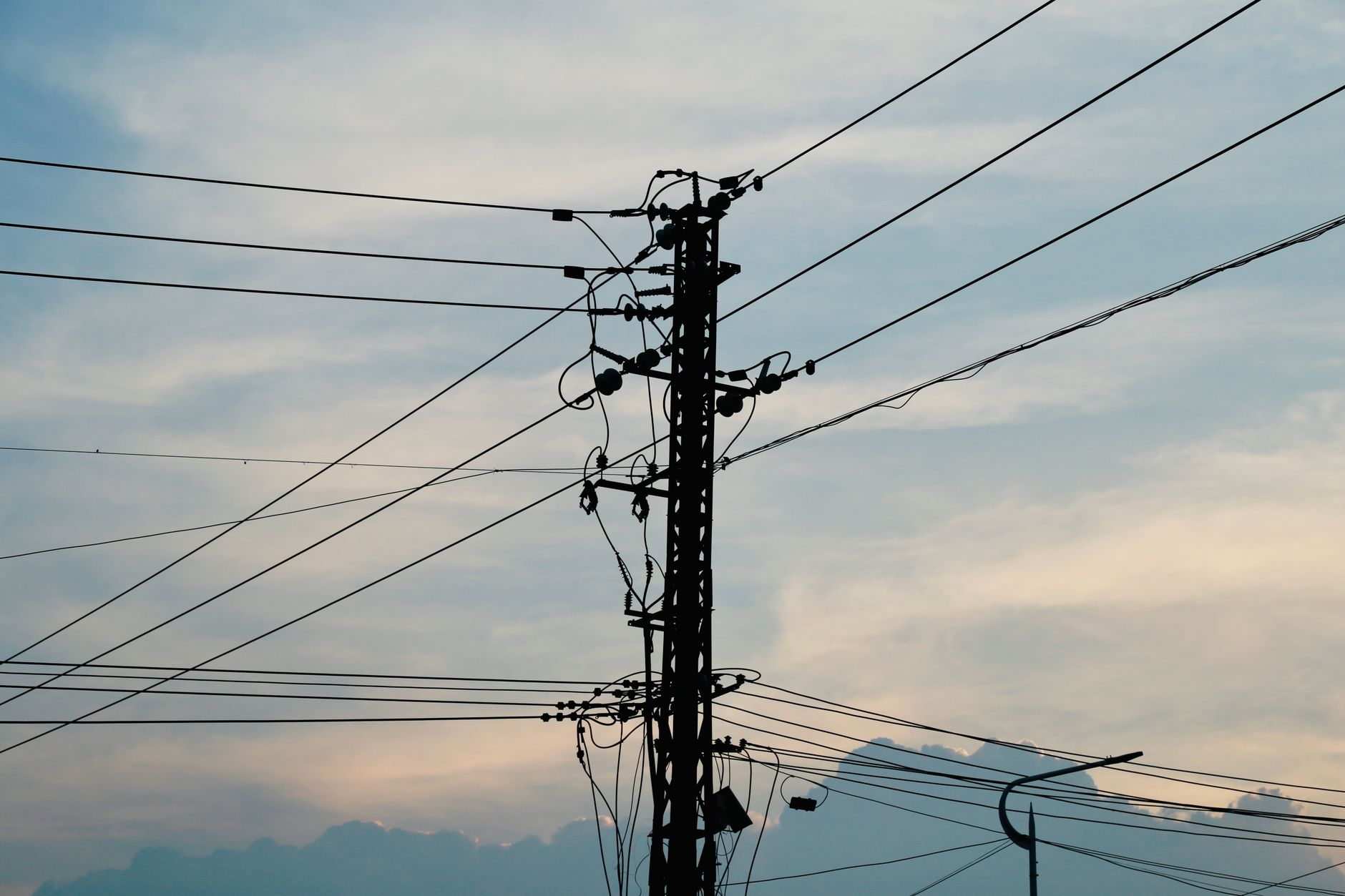
Transmission Infrastructure Tenders are essential for the success of renewable projects. Terra Clean’s recent initiatives highlight the importance of modern infrastructure in supporting sustainable energy.
Overview of Transmission Infrastructure Tenders
The transmission infrastructure tenders have gained significant attention in recent years, especially with the growing emphasis on renewable energy projects. These tenders play a crucial role in facilitating the design, construction, and maintenance of the necessary infrastructure to support sustainable power generation.
As the transition towards renewable energy sources accelerates, stakeholders are increasingly seeking innovative solutions to enhance the efficiency and reliability of power transmission systems. The importance of robust transmission infrastructure cannot be overstated, as it ensures the seamless delivery of electricity from generation sites to end-users.
Key elements of successful transmission infrastructure tenders include:
- Cost-Effectiveness: Bidders must demonstrate how their proposals provide the best value for money while meeting project specifications.
- Technology Integration: Incorporating advanced technologies such as smart grids and real-time monitoring systems can significantly improve infrastructure performance.
- Environmental Considerations: Tenders often require adherence to sustainability standards, minimizing ecological impact during construction and operation.
- Timeliness: Adherence to project timelines is critical, as delays can incur additional costs and hinder the overall energy transition.
As the demand for renewable energy surges, the focus on effective transmission infrastructure tenders will continue to be a pivotal factor in shaping the future of energy delivery systems.
Importance of Renewable Energy Projects
The growing emphasis on sustainable energy sources has highlighted the importance of renewable energy projects in today’s energy landscape. As governments and organizations shift their focus towards cleaner alternatives, the demand for robust transmission infrastructure tends to increase significantly. Efficient transmission infrastructure is crucial for the integration of renewable energy into the existing grid, facilitating the smooth transition from traditional energy sources to sustainable solutions.
Renewable energy projects, such as wind and solar farms, require extensive infrastructure to transport generated power to consumers. This need has led to a surge in transmission infrastructure tenders, as companies seek to develop systems that can handle fluctuating energy outputs while ensuring reliability and efficiency.
Moreover, these projects play a vital role in reducing greenhouse gas emissions and promoting energy independence. By investing in transmission infrastructure, stakeholders can enhance the stability of the energy supply and support local economies. Key benefits of renewable energy projects include:
- Environmental sustainability – Lowering carbon footprints.
- Economic growth – Creating jobs in construction and maintenance.
- Energy security – Diversifying energy sources and reducing reliance on imports.
In conclusion, the development of transmission infrastructure is not just a matter of technological advancement, but a crucial step towards a sustainable future.
Terra Clean’s Role in Infrastructure Development
In the evolving landscape of energy projects, Terra Clean has emerged as a key player in the realm of transmission infrastructure tenders. The company focuses on delivering innovative solutions that address the growing demand for sustainable energy transmission systems. By leveraging cutting-edge technology and extensive industry expertise, Terra Clean ensures that its projects not only meet current energy needs but also adhere to future sustainability standards.
One of the defining aspects of Terra Clean’s approach is its commitment to integrating renewable energy sources into existing infrastructure. This integration plays a crucial role in enhancing the efficiency of energy distribution and minimizing environmental impact. To achieve these goals, the company is actively participating in various tenders aimed at developing robust transmission networks.
The company’s strategic involvement in infrastructure development encompasses the following key elements:
- Advanced Engineering Solutions: Implementing state-of-the-art technology to optimize energy flow.
- Collaborative Partnerships: Working with local governments and organizations to ensure project feasibility.
- Environmental Stewardship: Prioritizing eco-friendly practices throughout the project lifecycle.
- Timely Project Delivery: Ensuring that all infrastructure projects are completed efficiently and on schedule.
Through these initiatives, Terra Clean is paving the way for a more sustainable future in energy transmission.
Challenges in Transmission Infrastructure
The transmission infrastructure sector faces several challenges that can impact the successful execution of projects. These challenges must be addressed to ensure the efficient implementation of Transmission Infrastructure Tenders.
- Funding and Investment: One of the primary hurdles is securing adequate funding. Many projects require substantial capital investments, and fluctuations in market conditions can hinder financial backing.
- Regulatory Hurdles: Navigating the complex regulatory landscape is another challenge. Different regions have varying laws and standards that must be adhered to, often causing delays in project timelines.
- Technological Integration: The integration of new technologies into existing infrastructure can be problematic. Ensuring compatibility between old and new systems is crucial for operational efficiency.
- Environmental Concerns: Environmental impact assessments are necessary but can slow down progress. Stakeholder concerns regarding ecological effects must be addressed carefully to prevent project halts.
- Skilled Workforce Shortage: The industry is facing a shortage of skilled labor, which can limit the ability to execute projects effectively and on schedule.
These challenges highlight the importance of strategic planning and innovative solutions in managing Transmission Infrastructure Tenders, especially in the context of renewable energy projects.
Future of Renewable Energy Infrastructure
The future of renewable energy infrastructure is poised to transform the energy landscape, driven by innovative solutions and strategic investments. As governments and private entities increasingly recognize the importance of sustainable energy sources, the demand for robust transmission infrastructure tenders will continue to rise.
Renewable energy projects require efficient and reliable transmission systems to deliver energy from generation sites to consumers. This necessity highlights the critical role of transmission infrastructure tenders in facilitating the growth of renewable energy sources such as wind, solar, and hydroelectric power. With an emphasis on reducing carbon footprints, the energy sector is seeing a shift towards integrating advanced technologies and modernizing existing infrastructure.
Key factors shaping the future of renewable energy infrastructure include:
- Technological Advancements: Smart grid technologies and energy storage solutions enhance the efficiency and reliability of energy transmission.
- Public-Private Partnerships: Collaboration between government and private sectors fosters investment in infrastructure development.
- Regulatory Support: Favorable policies and funding initiatives can accelerate the deployment of renewable energy projects.
As we look ahead, the synergy between innovative transmission solutions and growing renewable energy demands will pave the way for a sustainable energy future.
Photo by Andy Lee on Pexels
Sources
You might also like
Apple TV 4K Launch: Best Smart Home Upgrade for 2023 · Athens Rental Crisis: Is It the Worst Housing Market Ever? · Is Apple HomeView Release Worth the Price? A Clear Review
About the Author