Development projects India are making headlines as PM Modi inaugurates Rs 35,000 crore worth of initiatives aimed at boosting infrastructure and economic growth.
Overview of the Development Projects
India is witnessing a transformative phase with numerous development projects aimed at boosting economic growth and improving infrastructure across the nation. Recently, Prime Minister Modi inaugurated a series of development projects valued at Rs 35,000 crore, marking a historic achievement for 21st-century India.
These initiatives are part of a broader strategy to enhance connectivity, promote sustainable development, and provide essential services to the populace. The focus on development projects in India has led to significant investments in various sectors, including:
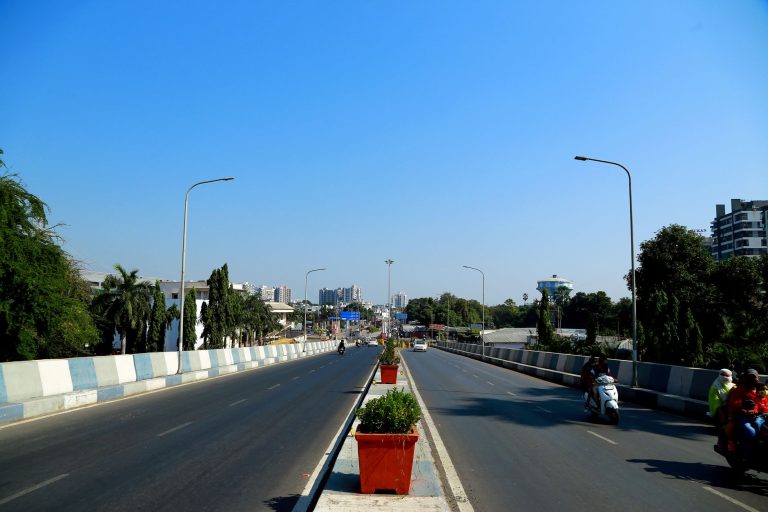
- Transportation: Upgrading roads, railways, and airports to facilitate smoother travel and trade.
- Energy: Expanding renewable energy sources to ensure sustainable power supply.
- Healthcare: Improving healthcare facilities to enhance public health services.
- Education: Investing in educational institutions to foster skill development and innovation.
These development projects not only create jobs but also boost local economies, ensuring that the benefits of growth are widely shared. As India continues on this path, the focus remains on sustainable and inclusive development, driving the nation towards a prosperous future.
Impact on Local Communities
The recent launch of several development projects in India has sparked a transformative impact on local communities. These initiatives not only aim to enhance infrastructure but also strive to improve the quality of life for millions of citizens.
One of the most significant outcomes has been the creation of job opportunities. Local residents have benefited from employment in various sectors, including construction, transportation, and services. Furthermore, the influx of resources has led to better educational facilities and healthcare services, ensuring that communities thrive holistically.
In addition to economic benefits, these development projects in India emphasize sustainability. Many initiatives incorporate eco-friendly practices, fostering a sense of responsibility towards the environment among local populations. This has encouraged communities to engage in green practices, contributing to a healthier ecosystem.
Moreover, the involvement of local stakeholders in the planning and execution of these projects has strengthened community bonds. Residents feel empowered as they participate in shaping their environment, resulting in a greater sense of ownership and pride in their neighborhoods.
Overall, the positive impact on local communities from these development projects is evident and showcases a promising path towards sustainable growth.
Funding and Budget Allocations
Funding and budget allocations play a pivotal role in the success of development projects in India. The government has been proactive in ensuring that adequate resources are directed towards initiatives that foster growth and improve infrastructure.
Recently, Prime Minister Modi inaugurated a series of significant projects with an impressive budget allocation of Rs 35,000 crore. This historic achievement underscores the commitment of the Indian government to enhancing the quality of life for its citizens through well-funded development projects.
To maximize the impact of these funds, several measures are being implemented:
- Prioritization of Key Sectors: Emphasis is placed on sectors such as transportation, healthcare, and education.
- Public-Private Partnerships: Collaborations with private entities are encouraged to leverage additional investments.
- Monitoring and Evaluation: Continuous assessment of project outcomes ensures funds are utilized effectively.
- Community Involvement: Local communities are engaged in the planning process to align projects with their needs.
These strategic approaches not only facilitate the implementation of development projects in India but also ensure sustainable growth for the future.
Timeline for Project Completion
The timeline for project completion in various development projects in India is crucial for ensuring timely benefits to local communities and overall national growth. The government has set ambitious deadlines for multiple initiatives aimed at enhancing infrastructure, healthcare, and education.
Recently, Prime Minister Modi inaugurated projects worth Rs 35,000 crore, emphasizing the urgency and importance of these developmental initiatives. The timeline for these projects is structured as follows:
- Phase 1: Initial groundwork and planning – This phase is expected to be completed within the first six months, involving community consultations and resource assessments.
- Phase 2: Execution of foundational work – Scheduled for the next year, this phase will focus on construction and setting up essential facilities.
- Phase 3: Finalization and handover – The completion of all projects is targeted for a two-year timeframe, ensuring that services are operational and accessible to the public.
These timelines reflect the government’s commitment to expediting development projects in India, aiming to boost the economy and improve living standards for millions.
Government’s Vision for Infrastructure
The Indian government has consistently emphasized its commitment to enhancing national infrastructure through various development projects. This vision aims to transform the country into a global economic powerhouse, fostering growth and improving the quality of life for its citizens.
Prime Minister Modi’s recent inauguration of development projects worth Rs 35,000 crore exemplifies this initiative. Such projects are designed to address critical areas including transportation, healthcare, and education, thereby creating a robust framework for sustainable growth. The government’s approach combines modern technology with traditional practices, ensuring that development is inclusive and environmentally friendly.
Key objectives of these initiatives include:
- Enhancing Connectivity: Improved roads, railways, and airports to facilitate trade and travel.
- Boosting Economic Growth: Creating employment opportunities and stimulating local economies.
- Promoting Sustainability: Incorporating green technologies to minimize environmental impact.
The commitment to these development projects in India reflects a strategic plan to build a resilient infrastructure that supports future generations while addressing the present needs of the population.
Future Prospects for Development in India
The future prospects for development projects in India appear promising, as the government continues to prioritize infrastructure growth and sustainable initiatives. As urbanization accelerates, the need for innovative solutions to address challenges such as transportation, housing, and clean energy becomes increasingly urgent.
Recent initiatives launched by Prime Minister Modi, including the inauguration of significant projects worth Rs 35,000 crore, exemplify the commitment to enhancing the nation’s infrastructure. These development projects aim to not only bolster the economy but also improve the quality of life for countless citizens.
Experts predict that ongoing investments in technology and green energy will pave the way for a more resilient future. Key areas of focus include:
- Smart Cities: Integrating technology to create efficient urban environments.
- Renewable Energy: Fostering sustainable energy sources to reduce carbon footprints.
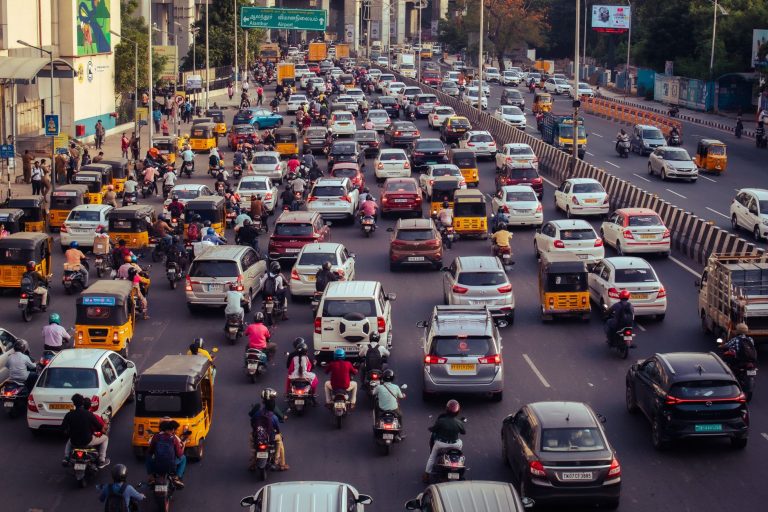
- Public Transportation: Enhancing connectivity and reducing congestion in metropolitan areas.
With a robust framework in place, the potential for development projects in India to drive economic growth and social progress is immense, setting the stage for a transformative era ahead.
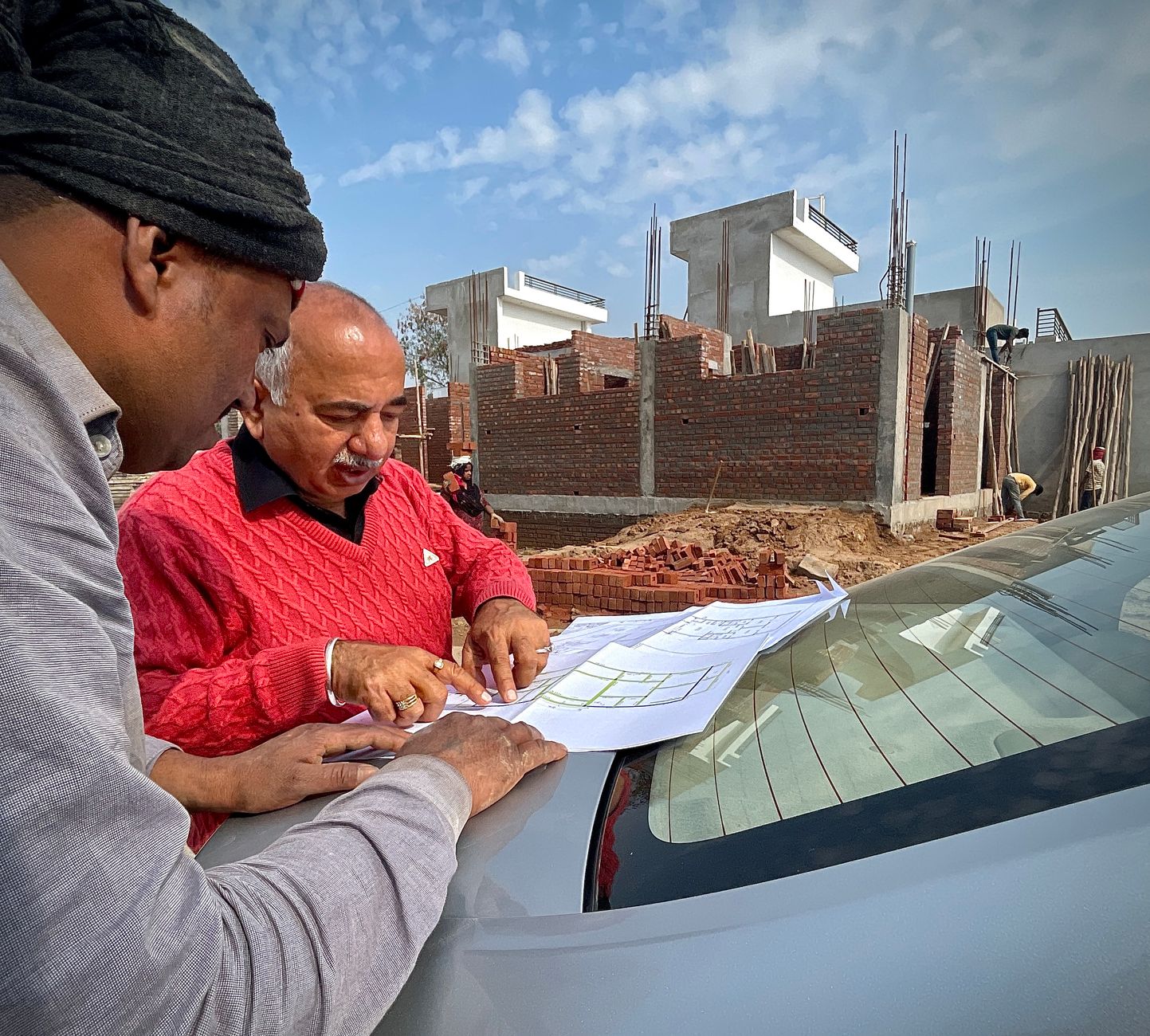
Among the various development projects India has implemented, the focus on sustainable agriculture has shown remarkable results in rural areas. These development projects India are not only enhancing food security but also improving the livelihoods of countless farmers.
Photo by Nishant Aneja on Pexels
Read the original
Related stories
- iPhone 18 launch: Is it the best time to buy?
- Modi Project Inauguration: Worth It for Real Estate Growth
- House price snooping: Is it the best way to gauge value?
About the Author