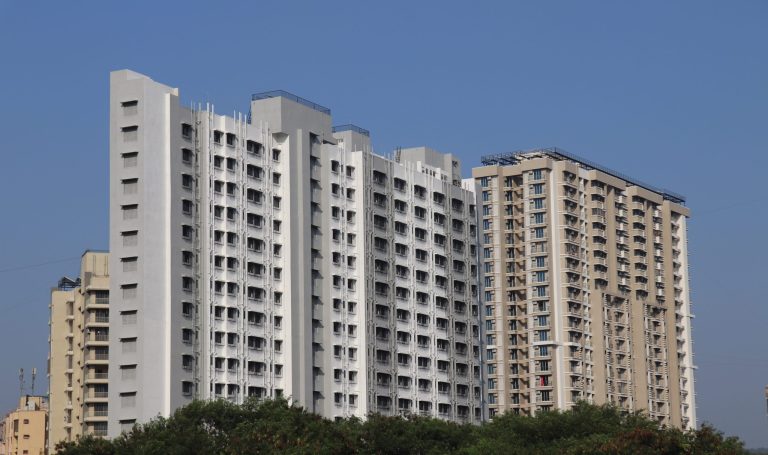
India hotel room growth is projected to reach 2.1 lakh new rooms by 2035. This expansion reflects the booming tourism sector and rising demand for accommodation across the country.
Current state of India’s hospitality sector
The current state of India’s hospitality sector reflects a significant transformation driven by the anticipated increase in tourism. With projections indicating the addition of up to 2.1 lakh hotel rooms by 2035, the industry is gearing up to meet the growing demand from both domestic and international travelers.
Factors contributing to this growth include:
- Increased Travel Enthusiasm: A robust rise in travel enthusiasm among Indians is leading to higher occupancy rates.
- Government Initiatives: Supportive government policies are fostering investment in the hospitality sector.
- Infrastructure Development: Improved infrastructure, including better connectivity, is making various destinations more accessible.
As a result, the prospects for India hotel room growth appear promising, with stakeholders optimistic about the sector’s potential to support the burgeoning tourism industry in the coming years.
Tourism trends driving hotel growth
The rising trends in tourism are significantly influencing the expansion of hotel room availability in India. As international travel resumes, various factors are contributing to the surge in demand for accommodations.
- Increase in Domestic Travel: With more Indians exploring their own country, the need for hotel rooms has skyrocketed.
- International Visitor Appeal: India is becoming a popular destination for foreign tourists, drawn by its rich culture and diversity.
- Government Initiatives: Policies aimed at boosting tourism, such as visa facilitation and infrastructure development, are encouraging hotel growth.
- Investment in Hospitality: The sector is seeing significant investments from both domestic and international players, leading to the development of new hotels.
These trends indicate that India hotel room growth is not merely a reaction to current demands but also a proactive approach to future tourism challenges and opportunities.
Projected hotel room additions by 2035
As India witnesses a surge in tourism, the hospitality sector is poised for significant expansion. According to recent reports, the country is expected to add approximately 2.1 lakh hotel rooms by 2035. This projected hotel room growth is driven by various factors, including increased domestic and international travel, government initiatives promoting tourism, and a burgeoning middle class with greater disposable income.
Key contributors to this growth include:
- Investment in Infrastructure: Upgrades in transportation and connectivity are making it easier for travelers to reach various destinations.
- Emergence of New Destinations: Lesser-known regions are being developed to attract tourists, creating demand for additional accommodation options.
- Enhanced Hospitality Standards: With rising competition, hotels are upgrading their services to meet international standards.
This robust growth in hotel room availability aligns with the anticipated increase in visitor numbers, positioning India as a prominent player in the global tourism market by 2035.
Impact of new hotels on local economies
The expansion of India’s hotel room growth is expected to have a significant impact on local economies across the country. As new hotels emerge, they bring with them a variety of benefits that can uplift surrounding communities.
- Job Creation: The establishment of hotels generates numerous employment opportunities, from construction jobs during development to permanent positions in hospitality management, housekeeping, and culinary services.
- Infrastructure Development: Increased demand for hotel rooms often leads to improved infrastructure, such as better roads, public transport, and utilities, benefiting residents and tourists alike.
- Boosting Local Businesses: New hotels attract visitors who contribute to local economies by dining at restaurants, shopping at stores, and participating in recreational activities.
- Increased Tax Revenue: Higher hotel occupancy rates can lead to increased tax revenues for local governments, which can be reinvested into community services and development projects.
Overall, the rise in hotel room growth in India is poised to create a positive ripple effect throughout local economies, enhancing livelihoods and fostering development.
Challenges facing the hospitality industry
The hospitality industry in India is witnessing significant room growth, yet it faces several challenges that could hinder its progress. Key issues include:
- Infrastructure Development: Inadequate infrastructure, including roads and transportation, can limit access to new hotel locations, impacting overall growth.
- Skilled Workforce Shortage: The industry grapples with a lack of trained professionals, affecting service quality and operational efficiency.
- Regulatory Hurdles: Complex licensing and regulatory processes can delay hotel projects, making it difficult for stakeholders to capitalize on the burgeoning tourism market.
- Environmental Concerns: The need for sustainable practices is becoming increasingly critical, as hotels must balance growth with environmental responsibility.
- Competition: With an influx of new entrants, established hotels must innovate and enhance their offerings to remain competitive in the expanding market.
Addressing these challenges is essential for sustainable hotel room growth in India’s hospitality sector.
Government initiatives in tourism
The Indian government has implemented several initiatives to boost tourism, playing a crucial role in the anticipated hotel room growth. These efforts aim to enhance infrastructure, ease travel restrictions, and promote various tourist destinations across the country.
Key initiatives include:
- Incredible India Campaign: This ongoing campaign focuses on showcasing India’s diverse culture and heritage to attract international tourists.
- e-Visa Facility: The introduction of the e-Visa system has simplified the visa application process, making it easier for foreign visitors to explore India.
- Swadesh Darshan Scheme: This program promotes the development of theme-based tourist circuits, enhancing the travel experience in lesser-known areas.
- Skill Development Initiatives: Training programs for hospitality professionals ensure that the growing demand for skilled labor in the sector is met.
These government initiatives are pivotal in supporting the projected hotel room growth in India, contributing to a thriving tourism industry by 2035.
Future of travel in India
The future of travel in India looks promising as the nation prepares for a significant expansion in its hospitality sector. With the anticipated addition of up to 2.1 lakh hotel rooms by 2035, the projected hotel room growth is closely linked to the rising influx of tourists. This surge in tourism is expected to be driven by several factors, including improved infrastructure, enhanced travel experiences, and a growing global interest in India as a travel destination.
As the country embraces this transformation, stakeholders in the hospitality industry are keenly aware of the opportunities that lie ahead. The integration of technology in hotel management and personalized guest experiences will likely redefine the travel landscape. Moreover, sustainable practices are becoming essential, as eco-conscious travelers seek responsible tourism options.
In summary, with the right strategies and investments, the future of travel in India appears bright, promising a thriving hospitality sector and an enriched experience for both tourists and local communities.
Comparative analysis with global markets
A comparative analysis of India’s hotel room growth with global markets reveals significant trends that underscore the country’s burgeoning tourism sector. Countries such as China and the United States have historically dominated the hospitality landscape, yet India is poised for a remarkable transformation.
As of 2023, India’s hospitality sector is expected to add up to 2.1 lakh hotel rooms by 2035, driven by a surge in domestic and international tourist arrivals. Key points of comparison include:
- Growth Rate: India’s growth rate in hotel room additions is projected to surpass that of several developed nations, highlighting its potential as a key player in the global market.
- Investment Opportunities: With increasing foreign investments, the Indian hospitality landscape is becoming more appealing, reflecting trends seen in emerging markets.
- Market Demand: The demand for diverse accommodation options is growing, paralleling trends observed in Europe and North America.
Overall, India’s hotel room growth signifies a robust shift in global tourism dynamics.
The increasing demand for accommodations is a clear indicator of India hotel room growth in response to the booming tourism sector. As more travelers flock to the country, we can expect significant advancements in India hotel room growth by 2035.
By niiicedave via Openverse
References
You might also like
- Birla Estates Pune project: Best Premium Residential Opportunity
- Godrej Properties Q2 Profit: Worst Drop Yet with Proven Sales
- Residential Tower Thane: Proven Luxury Living Awaits You
About the Author