Common Mistakes When Renting a Dumpster and How to Avoid Them
Leasing a dumpster for a remodeling clean-up or larger yard project is a very straightforward process—until there's a surprise fee or frantic search to…
Leasing a dumpster for a remodeling clean-up or larger yard project is a very straightforward process—until there’s a surprise fee or frantic search to get something in your budget. You can avoid those frustrations as a cost-conscious homeowner by knowing where people usually stumble and posing for a few steps ahead. The best part? With a little bit of prep work, a roll-off container quickly becomes the easiest piece of your waste management plan.
You can visit https://www.angi.com/articles/dumpster-rental-vs-junk-removal-pros-and-cons.htm as well for additional information.
Below, will highlight the five mistakes that are the most painful to the pocketbook, and the easy ways you can avoid them.
Ordering the Wrong Size Bin
Picture this: you order the smallest dumpster to “save money,” load it with construction debris, and discover the lid won’t close. The hauler refuses pickup, slaps on an overfilling fee, and you end up
Ultimately, fit the size of the bin to the scale of your project. A bathroom remodel is almost always suited to a 10-yard bin. Full-kitchen tear outs or landscaping remodels will usually require a 20-yard or larger roll-off dumpster rental. Most dumpster haulers will provide a number of “pickup truck loads” per size of bin; do the comparisons and if you plan to toss out shingles, dirt or concrete, make sure you inquire about the weight limits. You will typically spend less to rent a bin one size larger than the overweight charge you will face later on, and you will also avoid delaying your project when the first bin fills up at noon on a Saturday.
Finally, check local disposal rules for dense materials like roofing tiles. Some companies require a special “heavy debris” dumpster, so their trucks stay within road weight limits. Taking five minutes to talk through the details with your provider can save you hours and hundreds of dollars on the back end—money better spent on new fixtures or fresh paint.
Misjudging Delivery Space
It’s a common misconception that a small 20-yard roll-off container doesn’t take a lot of real estate. While it’s true that a dumpster is compact, most drivers will ask you to provide an estimated 60 feet of room to approach, and 23 to 25 feet of height clearance to be safe when backing in the dumpster. The actual length of the dumpster will be approximately 22 feet and 8 feet wide. On delivery day, before your delivery day, grab a tape measure and assess whether you have any branches, carports or electrical wires that could be in the way of the container.
If you don’t have enough land, you could consider positioning the dumpster on the street and obtaining a small permit from the city budget. Flat land is important too, as sloped land could prevent full closing of the swing outdoors, especially when you are struggling to lug heavy bags into the container. If your driveway is thin, cracked or you suspect may not support the weight of a container full of debris, ask your dumpster rental company if they would consider making plywood sheets or timbers available to spread the weight out.
You can mark where you prefer the container to go with cones or chalk, and make sure to move vehicles early enough in advance. If the landing zone is clear and stable, then you can avoid unwanted dents, driveway damage and awkward repositioning fees of a dumpster container that puts your renovation project over budget.
Prohibited Items to Watch For
Some household junk looks harmless but is illegal—or at least very expensive—to toss in a dumpster. Haulers check for banned materials at the landfill, and violations can trigger fines or forced removal.
Below are common “no-go” items that trip up first-time renters:
Paints, solvents, and adhesives—including empty cans with residue
Pesticides and garden chemicals
Mercury-containing bulbs or thermostats
Pressurized cylinders and aerosol cans
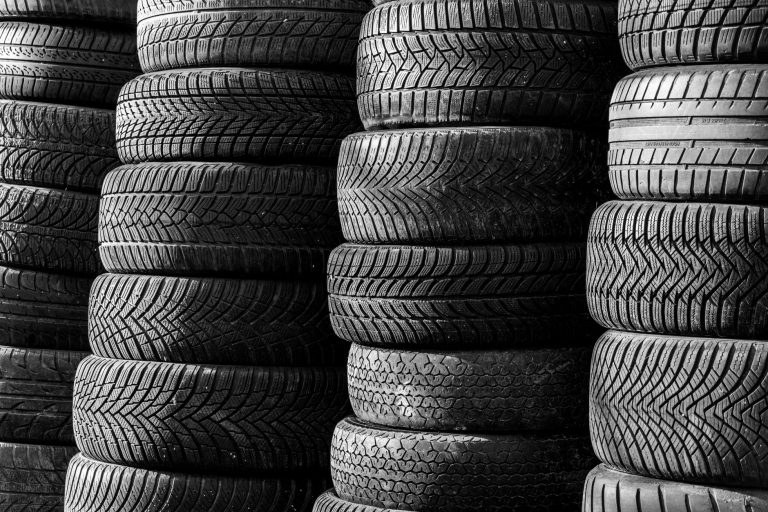
Tires, motor oil, or other automotive fluids
These fall under federal universal waste rules, meaning they need dedicated drop-off sites rather than the landfill. Check your county’s recycling calendar or local hauling services for safe disposal days before you load the dumpster. A quick detour to the hazardous-materials trailer lets you keep your construction debris removal bin compliant, and it protects landfill staff from chemical leaks. Spending ten extra minutes sorting can save you triple-digit fines later.
Hidden Fees that Add Up
Here’s where budgets run off the rails. Beyond the quoted “flat” rate, you could see line items for delivery distance, fuel surcharge, environmental handling, weight overage, daily rental extension, or even credit-card processing. One national provider lists overage fees of $50 – $250 per extra ton—painful if you underestimated project weight.
Read the contract and ask for inclusions/exclusions within the base price and always document potential add-ons. If you don’t have a reasonable idea of how heavy your debris will be, ask for a higher weight allowance than what you think you’ll need up front, as the upgrade is almost always cheaper than paying per ton penalties down the road. Similarly, be on the lookout for mileage limits. Those extra couple zip codes outside of what is considered normal service could turn into a $75 fee, before the bin even arrives!
Need help decoding the fine print? Contact JTC Demolition Spokane for a quick rundown of typical regional charges and tips to keep them in check. Many waste disposal services firms will e-mail a sample invoice so you can spot red-flag fees before signing.
Scheduling Pickup at the Right Time
Nothing torpedoes a tight budget faster than daily extension fees because the bin sat full over a long weekend. Most companies let you book removal as soon as you finish loading, so treat pickup like any other milestone in your project schedule.
Give yourself breathing room by following these easy cues:
Aim for pickup one day before your rental ends. Many haulers need 24–48 hours’ notice, and late-day requests often roll to the next business day.
Call immediately if rain is coming. Waterlogged debris weighs more, pushing you into overage territory.
Confirm truck access is clear. Move cars and close garage doors so the driver can hook the bin quickly.
Peak demand for home junk hauling is generally late spring and early fall so if your job is in one of those times, schedule the removal as far in advance as possible. Even if you are planning to cleanup after demolition during a week of holiday, I would recommend an additional day to your schedule because your driver is also planning on taking time off. When trash pickup is delayed for any reason, they call these skip days, and a skip day will lead to additional rental fee charges.
As you consider size, space, contents, costs, while and timing surrounding dumpster rental, you will be able to keep dumpster rental from impacting your budget & allow dumpster rental to be one of the easiest phases of your larger DIY experience. When combined with local knowledge, all of these tips will ensure that you will spend less time waiting on your trash, and more time enjoying your newly made usable space!
Jeffrey Green is a writer and editorial contributor at graceandlightstudio.com, covering news and features across the site. Jeffrey focuses on clear, reader-friendly reporting.