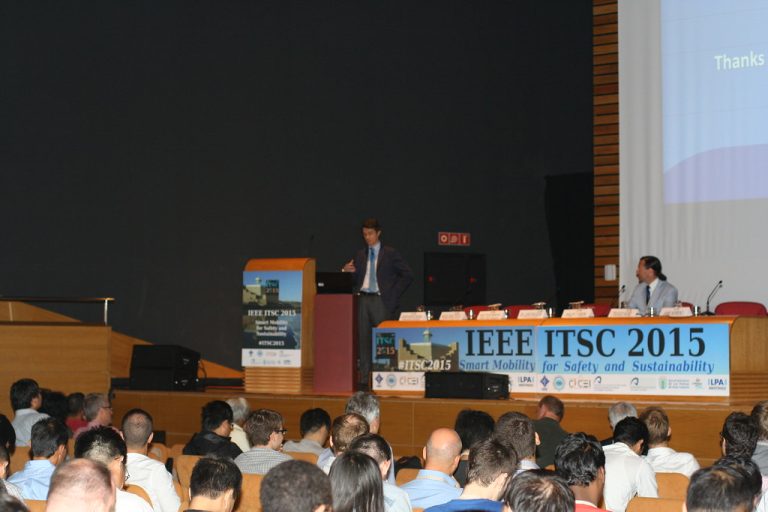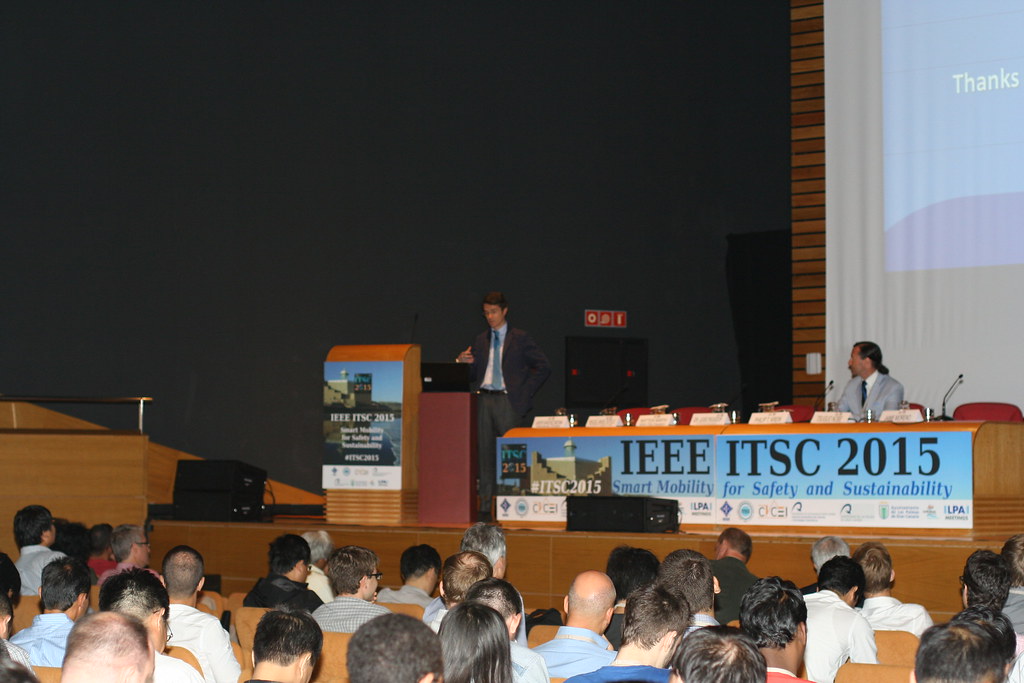
The autonomous mobility framework is set to revolutionize transportation in Ras Al Khaimah. With the launch of this initiative, the region aims to enhance mobility and safety through innovative solutions.
Overview of the Autonomous Mobility Framework
The Autonomous Mobility Framework aims to revolutionize transportation by integrating advanced technologies and innovative solutions. This initiative focuses on enhancing the efficiency, safety, and sustainability of mobility systems worldwide.
Key components of the framework include:
- Technological Integration: The framework emphasizes the need for seamless connectivity between autonomous vehicles and existing infrastructure.
- Safety Protocols: Ensuring the highest safety standards is paramount, with rigorous testing and regulations in place.
- Environmental Considerations: The framework promotes eco-friendly transportation solutions to reduce carbon footprints.
- Public Engagement: Involving communities in the planning and execution stages fosters acceptance and understanding of autonomous technologies.
Recently, the launch of the Autonomous Mobility Framework in Ras Al Khaimah, attended by Saud bin Saqr, highlighted the initiative’s commitment to transforming urban transportation. The event also introduced the Autonomous Vehicle Testing Zone Initiative, positioning the region as a leader in the future of mobility. By adopting this framework, cities can better prepare for the challenges posed by rapid urbanization and evolving transportation demands.
Key Benefits of Autonomous Vehicles
The introduction of the Autonomous Mobility Framework heralds a new era for transportation, bringing numerous benefits that can revolutionize urban mobility. Here are some key advantages of autonomous vehicles:
- Enhanced Safety: Autonomous vehicles are equipped with advanced sensors and algorithms that significantly reduce the risk of accidents caused by human error.
- Increased Efficiency: With real-time data processing capabilities, these vehicles can optimize routes, leading to shorter travel times and reduced congestion.
- Environmental Impact: Many autonomous vehicles are designed to be electric, helping to decrease carbon emissions and promote sustainability in urban areas.
- Accessibility: Autonomous mobility can provide reliable transportation for individuals who are unable to drive, including the elderly and disabled, ensuring greater inclusivity.
- Economic Growth: The deployment of autonomous vehicles can create new job opportunities in tech, infrastructure, and maintenance sectors, fostering economic development.
These benefits illustrate how the Autonomous Mobility Framework not only aims to enhance individual travel experiences but also contributes to the broader goal of creating smarter, safer, and more sustainable cities.
Impact on Local Transportation
The introduction of the autonomous mobility framework is set to significantly impact local transportation systems in various ways. As cities evolve to accommodate innovative transport solutions, the framework aims to enhance connectivity and accessibility for residents.
One of the primary effects is the potential reduction in traffic congestion. By implementing autonomous vehicles, cities can optimize traffic flow and reduce the number of cars on the road. This change not only benefits commuters but also decreases pollution levels, contributing to a more sustainable urban environment.
Furthermore, the autonomous mobility framework encourages the integration of public and private transport options. This can lead to the development of multi-modal transport hubs, where users can transition seamlessly between different modes of transportation. The framework promotes the idea of shared mobility, which is likely to increase the availability of transport services in underserved areas.
Challenges remain, including regulatory hurdles and public acceptance. However, as cities like Ras Al Khaimah showcase the potential of autonomous transportation through initiatives like the Autonomous Vehicle Testing Zone, the framework could pave the way for a more efficient and innovative local transport landscape.
Government Initiatives in Ras Al Khaimah
The recent launch of the Autonomous Mobility Framework in Ras Al Khaimah marks a significant advancement in the region’s transportation landscape. His Highness Saud bin Saqr Al Qasimi attended the event, emphasizing the government’s commitment to innovation and sustainability.
As part of this initiative, the government has introduced several key projects aimed at enhancing the infrastructure necessary for autonomous vehicles. These projects include:
- Autonomous Vehicle Testing Zone Initiative: This dedicated area allows for the safe testing of autonomous vehicles under real-world conditions, ensuring safety and reliability.
- Smart Traffic Management Systems: Advanced technology will be integrated into existing traffic systems, improving the flow of both autonomous and traditional vehicles.
- Public Awareness Campaigns: The government is actively educating residents about the benefits and safety of autonomous mobility, fostering a culture of acceptance and understanding.
Through these initiatives, Ras Al Khaimah aims to position itself as a leader in the adoption of autonomous technologies. The Autonomous Mobility Framework is anticipated to pave the way for future innovations that prioritize efficiency and environmental sustainability in transportation.
Challenges in Implementation
The implementation of the autonomous mobility framework faces several challenges that could hinder its effectiveness and adoption. Firstly, there is a significant need for robust infrastructure to support the technology. The existing roadways may require extensive modifications to accommodate autonomous vehicles safely, including the installation of advanced sensors and communication systems.
Secondly, regulatory hurdles present another obstacle. Policymakers must develop comprehensive guidelines that address safety, liability, and privacy concerns associated with autonomous vehicles. This requires collaboration between various stakeholders, including government agencies, private companies, and local communities, which can be a challenging process.
Additionally, public acceptance is critical for the success of the autonomous mobility framework. Many individuals remain skeptical about the safety and reliability of self-driving technology. Addressing these concerns through education and transparent communication is essential to foster trust and encourage adoption.
Moreover, the integration of autonomous vehicles into existing transportation systems poses logistical challenges. Ensuring that these vehicles can coexist with traditional traffic, pedestrians, and cyclists requires careful planning and coordination.
In summary, while the autonomous mobility framework holds great promise, overcoming these challenges is vital for its successful implementation and widespread acceptance.
Future of Mobility in the Region
The future of mobility in the region is being shaped significantly by the introduction of the Autonomous Mobility Framework. This innovative approach aims to revolutionize how transportation systems operate, ensuring they are efficient, sustainable, and accessible to all. As cities continue to expand and populations grow, the need for effective mobility solutions becomes increasingly critical.
Several factors will play a pivotal role in determining the success of the Autonomous Mobility Framework:
- Technological Advancements: Continuous improvements in sensor technologies and artificial intelligence will enhance the safety and reliability of autonomous vehicles.
- Infrastructure Development: Upgrading existing infrastructure to accommodate autonomous vehicles is essential for seamless integration into urban environments.
- Public Acceptance: Gaining the trust of the public is crucial. Educational initiatives and pilot programs can help familiarize citizens with autonomous mobility.
- Collaboration Among Stakeholders: Partnerships between government, industry leaders, and communities will facilitate the development and implementation of the framework.
As the region embraces this transformation, the Autonomous Mobility Framework presents an opportunity to not only innovate transportation but also to enhance the overall quality of life for residents.
By itsc2015 via Openverse
References
Related reading
Lighthouse Housing Project: Best Keys Handed Over to 278 Flats · LG QNED evo TV: The Best Smart TV with Proven Features · Namma Metro Pink Line: Is It the Right Time for Inauguration?
About the Author