Renewable Energy Projects are gaining momentum as REC signs an MoU to explore Rs 450 billion financing for 5,000 MW initiatives in Bhutan.
Overview of the MoU
The recent memorandum of understanding (MoU) signed between the Renewable Energy Corporation (REC) and the government of Bhutan marks a significant step in advancing renewable energy projects in the region. This strategic partnership aims to explore financing options amounting to Rs 450 billion for the development of 5,000 megawatts (MW) of renewable energy capacity.
This initiative is not only expected to bolster Bhutan’s energy infrastructure but also aligns with global efforts to transition towards sustainable energy sources. The focus on renewable energy projects is crucial for reducing carbon emissions and fostering energy independence.
Key highlights of the MoU include:
- Financing Commitment: The REC’s pledge to provide substantial financial backing for the renewable energy projects.
- Capacity Building: Collaboration on the development and implementation of cutting-edge technologies.
- Sustainability Goals: Aimed at enhancing Bhutan’s renewable energy output and promoting environmental sustainability.
This initiative represents a positive move towards achieving sustainable energy solutions in the region.
Impact on Bhutan’s Energy Sector
The recent agreement to finance renewable energy projects in Bhutan is poised to have a significant impact on the country’s energy sector. With an investment of Rs 450 billion, the initiative aims to develop 5,000 MW of clean energy capacity, enhancing Bhutan’s position as a leader in sustainable energy production in the region.
By harnessing its abundant hydropower resources, Bhutan can not only meet its domestic energy needs but also export surplus energy to neighboring countries. This shift towards renewable energy projects will contribute to a more resilient energy infrastructure, reducing reliance on fossil fuels and minimizing environmental impacts.
The benefits of this investment are manifold:
- Increased energy independence and security for Bhutan.
- Job creation in the renewable energy sector, boosting local economies.
- Strengthened regional cooperation in energy trade.
- Enhanced sustainability and reduction of carbon emissions.
Overall, the financing of these renewable energy projects marks a transformative step for Bhutan’s energy landscape.
Key Players in Renewable Energy
The recent memorandum of understanding (MoU) has attracted significant interest from various key players in the renewable energy sector. These stakeholders are essential for the successful implementation of the ambitious financing plan aimed at supporting renewable energy projects in Bhutan.
- Government Agencies: Local and national government bodies are crucial for regulatory support and infrastructure development.
- Private Investors: Investment firms and corporations are expected to contribute significantly to the Rs 450 billion financing, ensuring capital flow into renewable energy initiatives.
- International Organizations: Multilateral institutions may provide additional funding and technical assistance, enhancing project viability.
- Renewable Energy Developers: Companies specializing in solar, wind, and hydroelectric projects will play a pivotal role in executing these initiatives.
- Research Institutions: Collaborations with research entities will help innovate and optimize renewable energy solutions tailored to Bhutan’s unique environment.
These key players will collectively drive the success of renewable energy projects, paving the way for a sustainable energy future in Bhutan.
Future of Renewable Energy Projects
The future of renewable energy projects in Bhutan looks promising with the recent signing of a Memorandum of Understanding (MoU) aimed at financing up to Rs 450 billion. This initiative is expected to not only bolster Bhutan’s energy sector but also set a precedent for sustainable energy development in the region.
As global demand for clean energy increases, Bhutan stands at the forefront by leveraging its vast hydropower resources. The focus on renewable energy projects is aligned with the nation’s commitment to sustainability and carbon neutrality. The strategic financing will facilitate the development of approximately 5,000 MW of renewable energy capacity, which could significantly contribute to both domestic consumption and export opportunities.
Key stakeholders, including government agencies and private investors, are expected to play crucial roles in this endeavor. Innovative financing models and collaborative partnerships will be essential to navigate challenges and maximize the potential of these renewable energy projects.
In conclusion, the future of Bhutan’s renewable energy sector is bright, driven by ambitious goals and collaborative efforts.
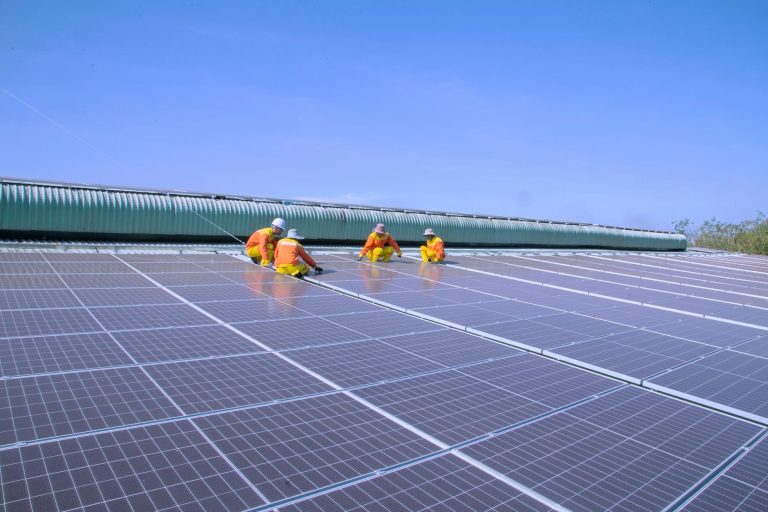
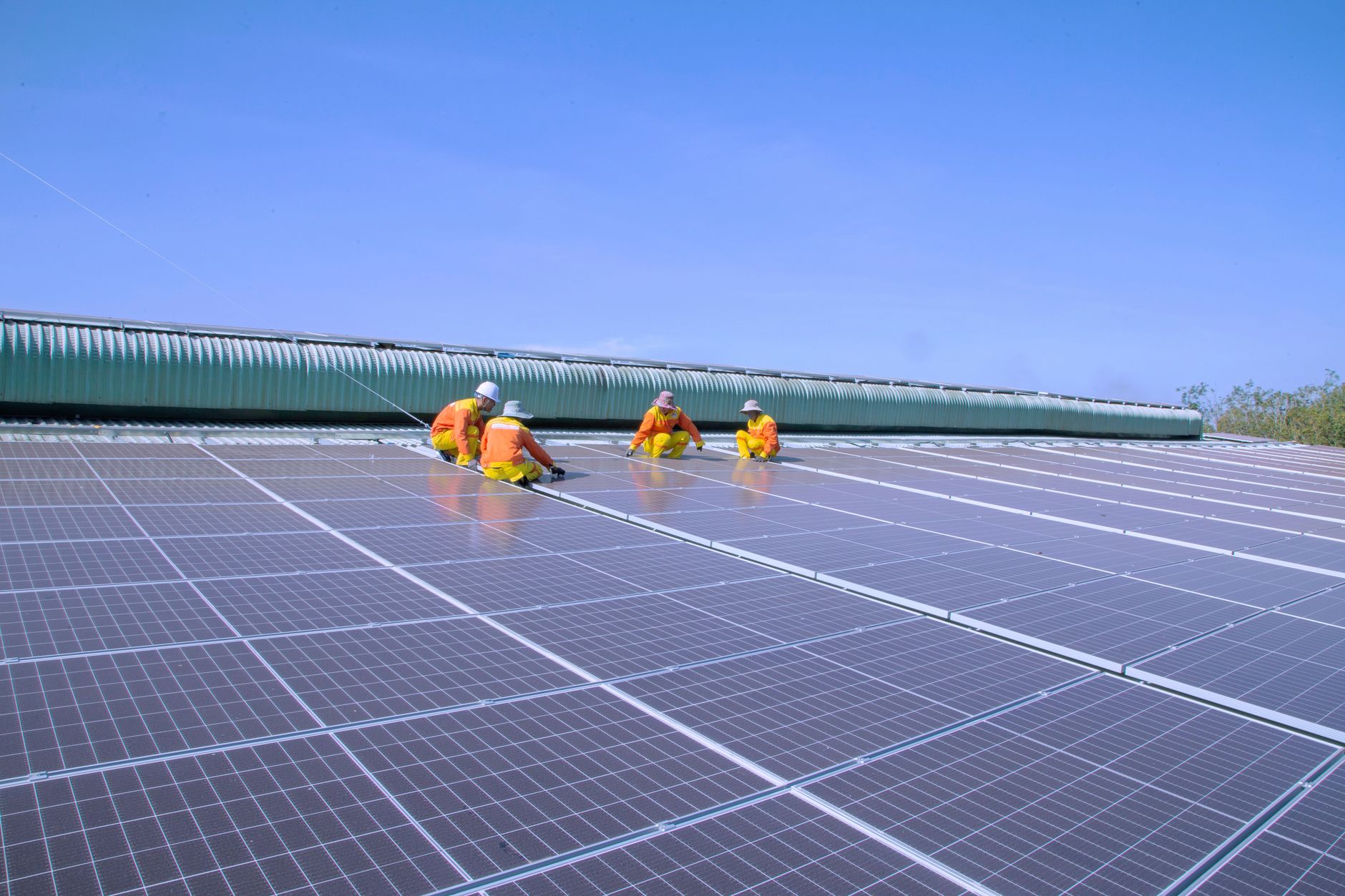
Photo by Hoan Ngọc on Pexels
Read the original
Related stories
- Real Estate Review: What Are the Proven Trends for Q2?
- Ring Flying Security Camera: Worst Demo Raises Safety Concerns
- Dehradun hotel expansion: Is it the best move for Suba?
About the Author