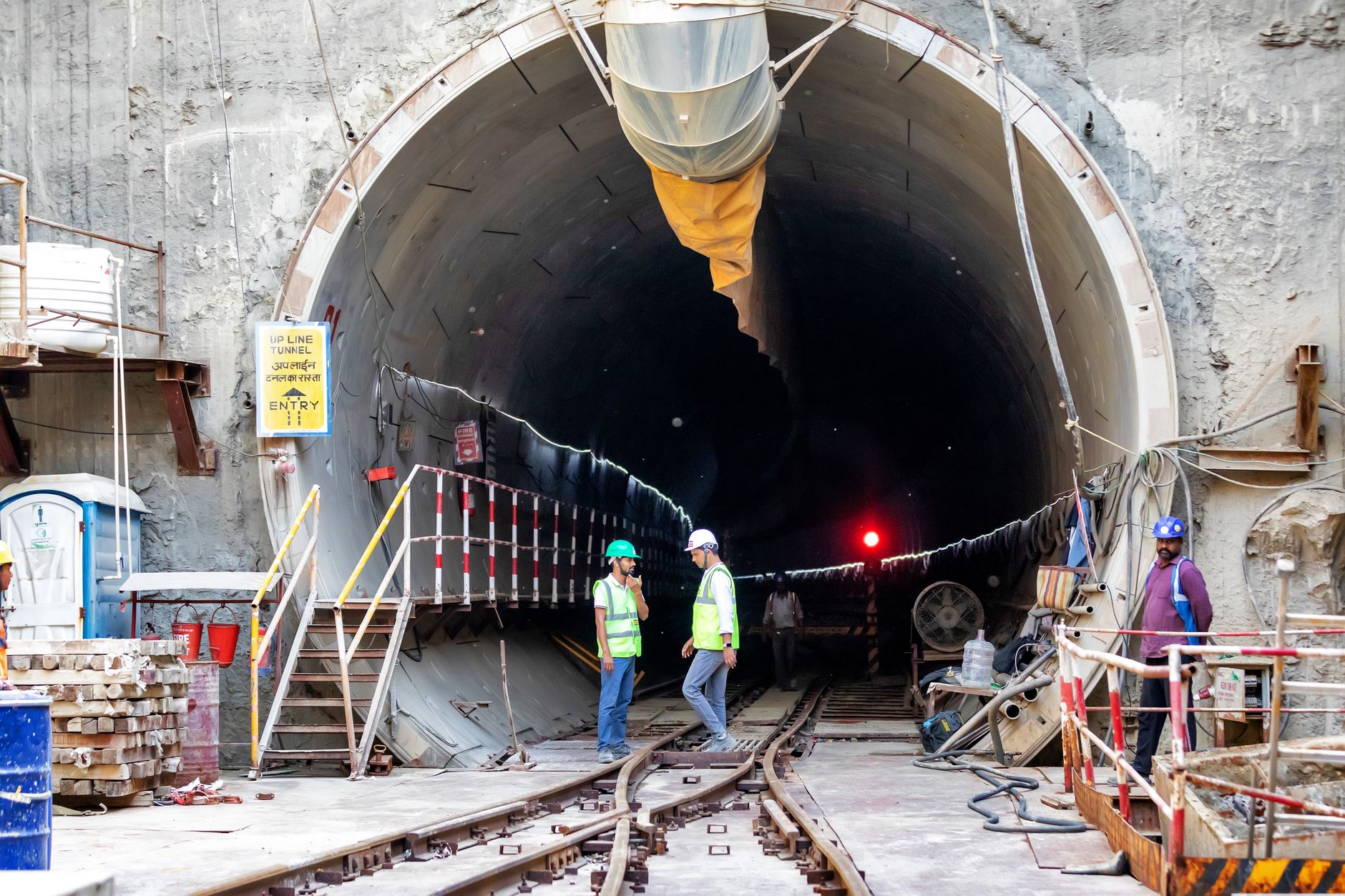
India mega tunnel projects are revolutionizing transportation and infrastructure across the country. From Zojila to Brahmaputra, these initiatives promise significant advancements.
Overview of India’s Mega Tunnel Projects
India has embarked on several ambitious mega tunnel projects aimed at enhancing connectivity and infrastructure across the nation. These initiatives, such as the Zojila tunnel in Jammu and Kashmir and the Brahmaputra tunnel in Assam, are designed to address the challenges posed by difficult terrains and extreme weather conditions.
The Zojila tunnel, which is expected to be one of the longest and highest tunnels in Asia, promises to provide all-year-round access to the region, significantly reducing travel time between Srinagar and Leh. Similarly, the Brahmaputra tunnel aims to improve transportation links in the northeastern states, facilitating trade and boosting regional development.
Despite the potential benefits, India’s mega tunnel projects are not without challenges. Issues such as environmental concerns, geological complications, and funding constraints have emerged as major hurdles. However, the government remains committed to these projects, recognizing their vital role in national development.
As these mega tunnel projects progress, they are expected to create job opportunities, stimulate economic growth, and foster regional integration. The successful completion of these tunnels will mark a significant milestone in India’s infrastructure development journey.
- Zojila tunnel: Enhancing connectivity in Jammu and Kashmir
- Brahmaputra tunnel: Boosting trade in the northeastern states
Zojila Tunnel: Key Features and Benefits
The Zojila Tunnel, an integral part of India’s mega tunnel projects, is set to revolutionize connectivity in the region. This strategic infrastructure is being constructed in the Himalayas and aims to provide all-weather road access to the Srinagar-Leh highway.
Key features of the Zojila Tunnel include:
- Length: Stretching over 14 kilometers, it will be one of the longest tunnels in Asia.
- Two-lane facility: Designed to accommodate vehicular traffic in both directions, enhancing safety and efficiency.
- Height: The tunnel will have a maximum height of 3,000 meters, making it a vital link for high-altitude regions.
Benefits of the Zojila Tunnel:
- Reduced travel time: The tunnel is expected to cut travel time significantly, making the journey from Srinagar to Leh much quicker.
- Economic growth: Improved connectivity will boost trade and tourism, fostering regional development.
- Safety: The tunnel will provide a reliable passage during harsh winter months when landslides and heavy snowfall obstruct roads.
Overall, the Zojila Tunnel exemplifies the ambitious goals of India’s mega tunnel projects, aiming for modern infrastructure and sustainable development.
Brahmaputra Tunnel: What to Expect
The Brahmaputra Tunnel is one of the most ambitious projects under India’s mega tunnel projects initiative, aimed at enhancing connectivity in the northeastern region. This strategic tunnel will serve as a vital link between the states of Assam and Arunachal Pradesh, significantly reducing travel time and boosting economic growth in the area.
Here are some key aspects of the Brahmaputra Tunnel:
- Length: The tunnel is expected to stretch approximately 12 kilometers under the Brahmaputra River.
- Cost: Estimated at around INR 6,000 crores, the project faces challenges related to funding and resource allocation.
- Progress: Currently, the project is in the planning phase, with detailed surveys and environmental assessments underway.
- Impact: Once completed, the tunnel will not only facilitate smoother transportation but also enhance the movement of goods and services between the two states.
As part of India’s mega tunnel projects, the Brahmaputra Tunnel stands to play a crucial role in transforming the region’s infrastructure and fostering economic development. Stakeholders are optimistic about the potential benefits it will bring to local communities.
Cost Analysis of Major Tunnel Projects
The cost analysis of India’s mega tunnel projects reveals significant investments aimed at enhancing infrastructure across the nation. These projects, particularly the Zojila and Brahmaputra tunnels, are pivotal in boosting connectivity and reducing travel times. However, the financial implications are substantial.
For instance, the Zojila Tunnel, with an estimated cost of around ₹5,000 crore, is designed to facilitate year-round access to the Ladakh region. Similarly, the Brahmaputra Tunnel, projected to cost approximately ₹8,000 crore, aims to improve connectivity between Assam and Arunachal Pradesh.
Factors influencing the cost of these mega tunnel projects include:
- Geological challenges: The diverse topography of India leads to increased excavation and construction costs.
- Technological requirements: Advanced technology is essential for ensuring safety and efficiency in tunnel construction.
- Environmental assessments: Comprehensive studies are necessary to mitigate ecological impacts, affecting timelines and budgets.
- Labor and materials: Fluctuations in labor costs and material availability can significantly alter the financial outlook.
As India continues to invest in these mega tunnel projects, understanding the real costs and progress remains crucial for stakeholders and the public alike.
Current Progress and Future Plans
India’s mega tunnel projects have made significant strides in recent years, showcasing both engineering prowess and ambition. Currently, the most notable progress is seen in the Zojila Tunnel, which is expected to facilitate year-round connectivity between Srinagar and Leh. The project has faced several challenges, including harsh weather conditions and geological complexities. Nonetheless, authorities are optimistic about its completion by 2025.
Another critical initiative is the Brahmaputra Tunnel, which aims to improve accessibility in the northeastern region. As of now, initial groundwork has commenced, with plans to begin full-scale construction by late 2024. This project is anticipated to enhance trade and travel, ultimately boosting local economies.
Looking ahead, India’s mega tunnel projects are set to expand further. The government has proposed additional tunnels in the Himalayan region, which will not only improve transportation but also aid in disaster management. Moreover, with advancements in tunneling technology, future projects are expected to be completed more efficiently, reducing costs and timelines.
As these ambitious projects progress, they symbolize India’s commitment to enhancing infrastructure and connectivity, paving the way for economic growth and regional development.
Impact on Local Communities
The implementation of India’s mega tunnel projects has raised significant concerns regarding their impact on local communities. These large-scale infrastructure initiatives, including the Zojila and Brahmaputra tunnels, are designed to enhance connectivity and facilitate transportation. However, the repercussions for residents in the vicinity cannot be overlooked.
Local communities often experience both positive and negative effects from such projects:
- Economic Opportunities: The construction phase can create jobs and stimulate local businesses, providing much-needed economic relief.
- Displacement: In some areas, residents may be displaced from their homes, leading to loss of livelihood and community disruption.
- Environmental Concerns: The excavation and construction processes can lead to ecological disturbances, affecting agriculture and local ecosystems.
- Infrastructure Strain: Increased traffic and population density can strain existing infrastructure, leading to potential quality-of-life issues.
As India continues to invest in mega tunnel projects, it is crucial to balance development with the needs and well-being of local populations. Engaging communities in the planning process and addressing their concerns can mitigate adverse impacts, ensuring that the benefits of these projects are equitably shared.
Challenges in Tunnel Construction
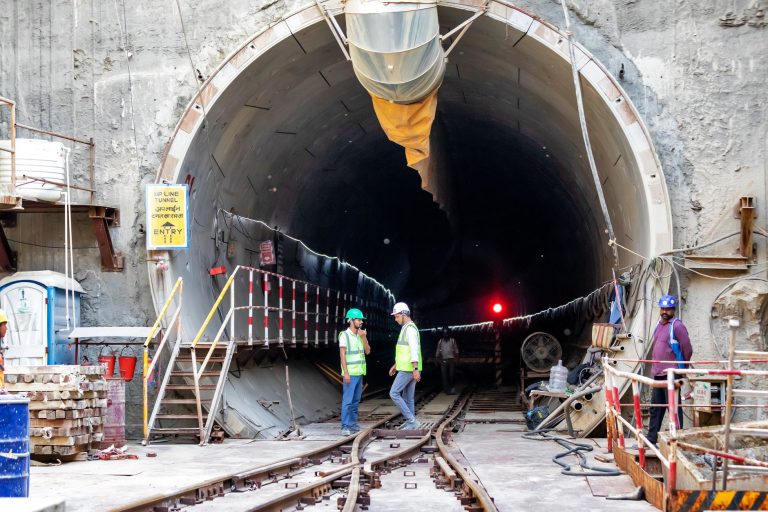
The construction of mega tunnel projects in India presents a unique set of challenges that can significantly impact timelines and budgets. These large-scale undertakings, including the Zojila and Brahmaputra tunnels, require meticulous planning and execution. Some of the key challenges include:
- Geological Variability: The diverse geological conditions across various regions pose significant risks. Tunneling through unstable or unpredictable terrains can lead to delays and increased costs.
- Environmental Concerns: Projects often face scrutiny regarding their environmental impact. Ensuring compliance with regulations can complicate construction timelines.
- Technological Limitations: The need for advanced technology and skilled labor is critical. Inadequate resources can hinder progress and lead to safety concerns.
- Funding and Budgeting: Securing sufficient funding is essential for the continuation of these mega tunnel projects. Fluctuations in budget allocations can stall development.
- Community Engagement: Addressing the concerns of local communities is crucial. Resistance from residents can lead to unforeseen delays.
Despite these challenges, the commitment to advancing India’s mega tunnel projects remains strong, as they promise to enhance connectivity and boost economic growth.
As the government pushes forward with the India mega tunnel projects, concerns about environmental impact and local displacement have risen. Additionally, the financial implications of these India mega tunnel projects are becoming a focal point of debate among stakeholders.
Photo by Anil Sharma on Pexels
References
Related reading
- Philips electric toothbrush: Is it the best choice for you?
- Vizag infrastructure projects worth 3900 cr: A smart investment
- Ginger Goa Hotel Opening: A Smart Addition to Arpora
About the Author