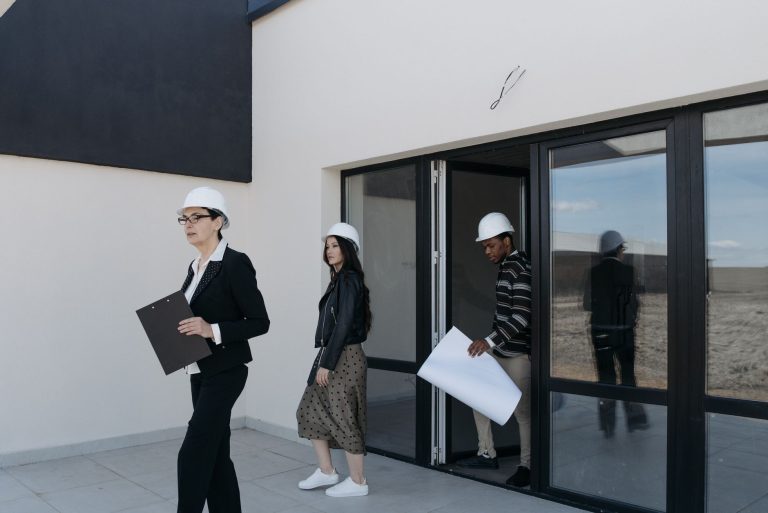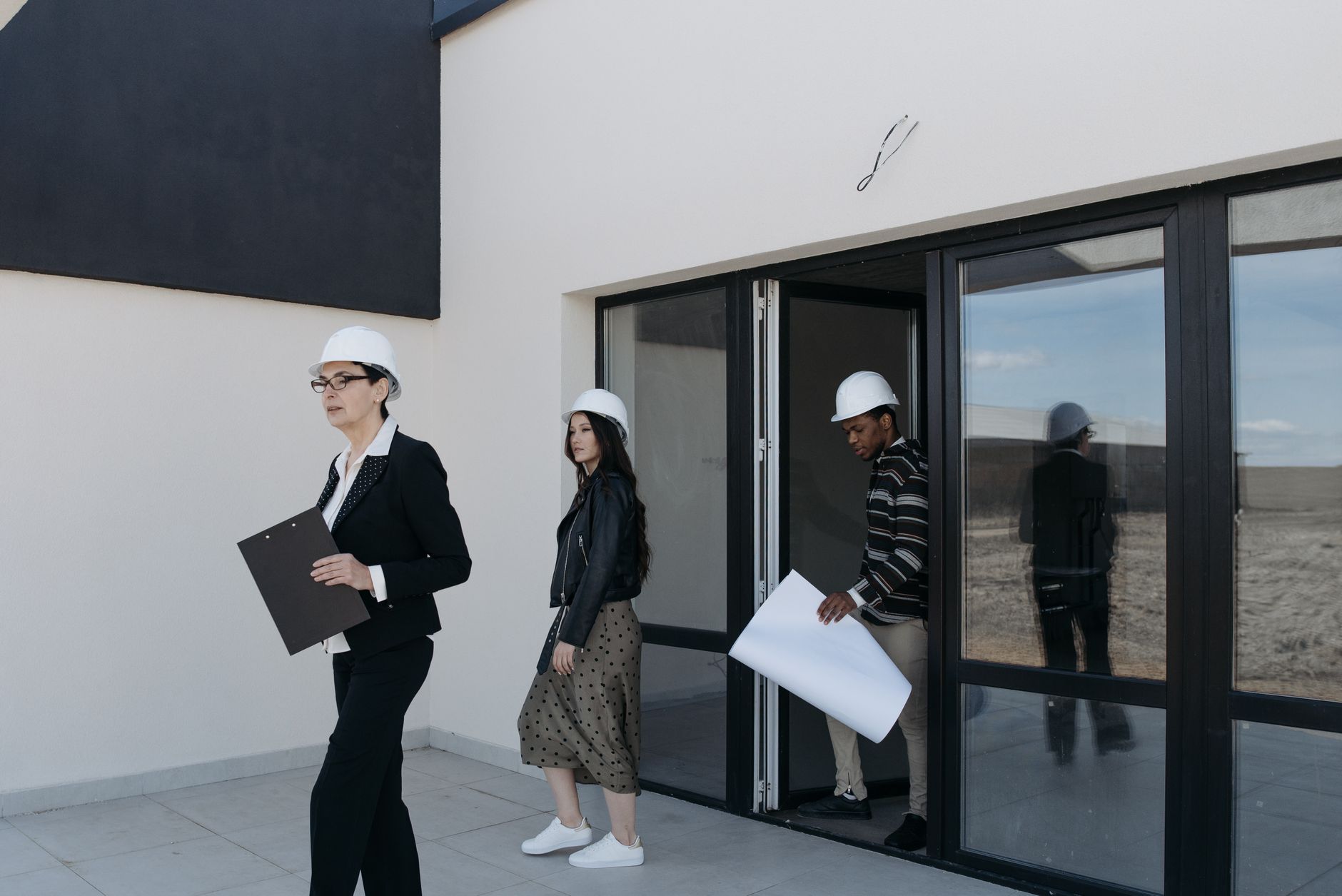
The real estate review for Q2 highlights significant trends affecting the market. Approval delays have hit bookings hard, while new launches are driving growth in various sectors.
Impact of Approval Delays on Bookings
The real estate market has been notably affected by approval delays, which have led to significant impacts on bookings across various sectors. As highlighted in the recent real estate review for Q2, these delays have caused frustration among both buyers and developers, potentially stalling investment momentum.
Many projects that were expected to launch this quarter have faced setbacks, primarily due to lengthy governmental approval processes. This has resulted in a ripple effect, where:
- Developers are unable to deliver new units on time.
- Buyers are left waiting for properties that are delayed.
- Market confidence is shaken, leading to cautious investment strategies.
However, it’s not all doom and gloom. Despite these challenges, certain aspects of the market continue to show resilience. The drive for launches has been a bright spot in the current landscape, as developers strive to meet demand where possible. This has led to an increase in:
- Innovative housing solutions.
- Efforts to streamline the approval process.
- Enhanced collaboration between stakeholders.
As these trends unfold, the overall outlook for the real estate market in the coming months remains optimistic, with a focus on overcoming the hurdles posed by approval delays.
Growth Driven by New Launches
The real estate review for the second quarter highlights a significant trend where new property launches are driving growth in the market. Despite the challenges presented by approval delays that have impacted bookings, developers are responding proactively by introducing fresh projects to meet the demand.
Several key factors contribute to this surge in new launches:
- Market Demand: An increasing number of buyers are looking for residential properties, spurred by low mortgage rates and a desire for larger living spaces.
- Investor Confidence: As the economy shows signs of recovery, investors are more willing to commit to new projects, believing in the long-term potential of the real estate market.
- Incentives: Many developers are offering attractive incentives such as flexible payment plans and lower upfront costs, which have made new properties more appealing to potential buyers.
As a result, the current landscape is one where new launches are not just filling the gap left by delayed approvals but are also setting the stage for a revitalized market. This trend reflects a shift in strategy among developers who are increasingly focused on delivering innovative solutions to meet buyer preferences in a rapidly changing environment.
Overall, the real estate review for Q2 indicates that while challenges remain, the proactive approach of launching new projects could pave the way for sustained growth in the coming months.
Key Trends in Q2 Real Estate
The real estate review for Q2 has revealed several key trends that are shaping the market landscape. As the industry continues to adapt to changing conditions, stakeholders are focusing on a few significant patterns that are emerging.
- Increased Demand for Suburban Properties: With remote work becoming more permanent for many, there has been a noticeable shift in demand from urban centers to suburban areas. Buyers are seeking larger spaces and more affordable options outside city limits.
- Rise in Sustainable Developments: Eco-friendly properties are gaining traction as consumers prioritize sustainability. Developers are increasingly incorporating green technologies and materials into their projects, appealing to environmentally conscious buyers.
- Technological Integration: The adoption of technology in real estate transactions is on the rise. Virtual tours and online consultations have become standard practice, making it easier for buyers to explore properties from the comfort of their homes.
- Stable Pricing Amidst Uncertainty: While some areas may experience fluctuations, overall pricing has remained stable. This trend reflects a resilient market that is cautiously optimistic about future growth.
These trends, highlighted in the latest real estate review, suggest that the market is evolving in response to both consumer preferences and broader economic factors, paving the way for a dynamic Q2 ahead.
Future Outlook for the Real Estate Market
As we look ahead in our real estate review, several trends are emerging that could shape the market in the coming months. The current landscape suggests that despite challenges, opportunities for growth remain robust. Industry experts predict a gradual recovery as approval delays diminish and new projects reach the market.
Several key factors will influence the future outlook for the real estate market:
- Interest Rates: The trajectory of interest rates will play a significant role in buyer sentiment. A stabilization or potential decrease could encourage more transactions.
- Urban Development: Cities are increasingly investing in infrastructure and amenities, making urban living more appealing. These developments often lead to higher property values.
- Technological Integration: The adoption of technology in real estate transactions is expected to streamline processes, making it easier for buyers and sellers to navigate the market.
- Remote Work Trends: The shift toward remote work continues to reshape housing preferences, with more buyers seeking properties in suburban and rural areas.
In conclusion, while the real estate market faces challenges, the indicators for future growth are promising. As we proceed through Q2, stakeholders must stay informed on these trends to capitalize on emerging opportunities.
In this real estate review, analysts highlight the increasing demand for suburban properties as families seek more space. Additionally, the real estate review points to the rise of remote work as a driving factor in these shifting preferences.
Photo by Pavel Danilyuk on Pexels
Sources
You might also like
- Ring Flying Security Camera: Worst Demo Raises Safety Concerns
- Dehradun hotel expansion: Is it the best move for Suba?
- Yugeen Bharat Museum: A Proven Step Towards Cultural Growth
About the Author