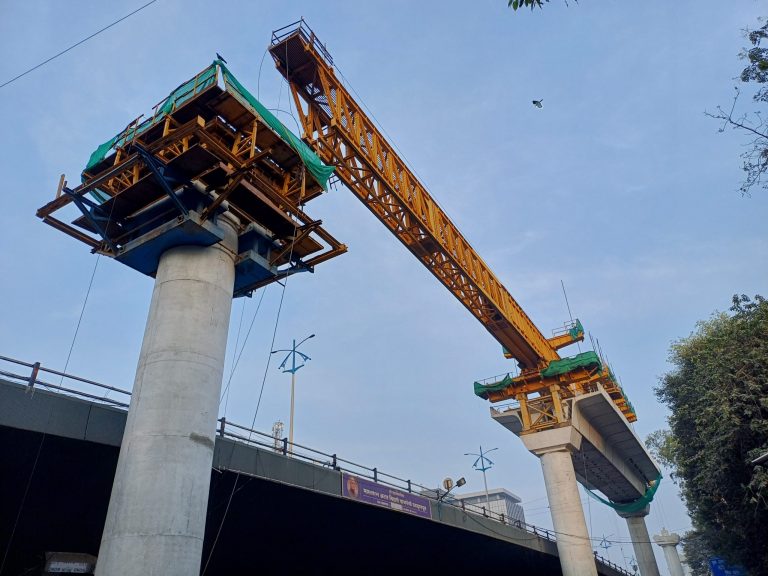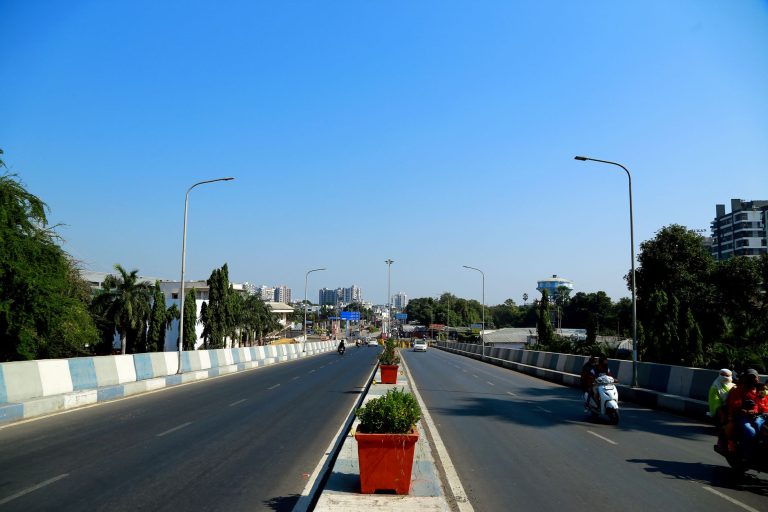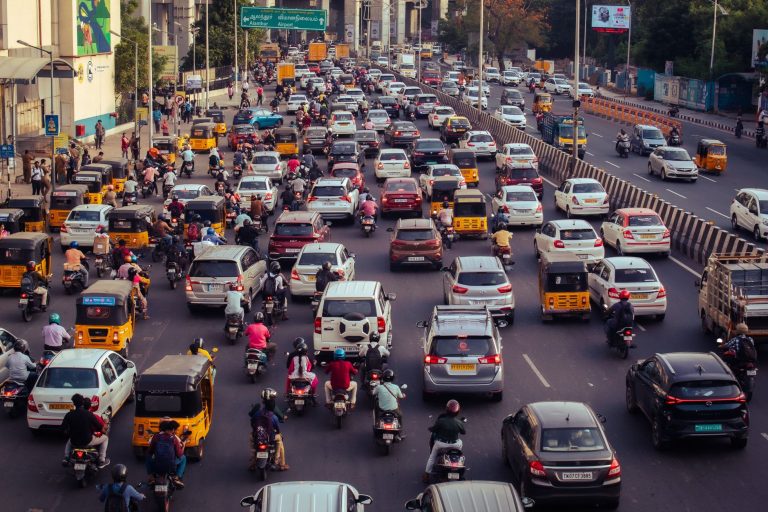
Infrastructure projects review indicates significant developments across India. PM Modi recently evaluated projects worth over ₹16,000 crore at the 54th PRAGATI meeting, showcasing the government’s commitment to enhancing infrastructure nationwide.
Overview of PRAGATI Meeting
The recent PRAGATI meeting, led by Prime Minister Modi, focused on a comprehensive review of infrastructure projects across the nation, encompassing an investment of over ₹16,000 crore. This meeting, which marked the 54th iteration of the series, involved discussions regarding projects spanning 31 states and Union Territories, highlighting the government’s commitment to enhancing national infrastructure.
During the meeting, various officials presented updates on key projects, addressing challenges and progress reports. The Prime Minister emphasized the significance of timely execution and the need for coordination among different departments to ensure successful outcomes. He urged officials to adopt innovative approaches while executing these infrastructure projects.
The review of infrastructure projects is crucial not only for economic growth but also for improving the quality of life for citizens. By focusing on essential sectors such as transportation, energy, and urban development, the government aims to build a robust framework that can support sustainable development.
As the nation looks towards future infrastructure projects, the insights gained from the PRAGATI meeting will play a pivotal role in shaping policies and strategies, ensuring that these initiatives align closely with the broader goals of national progress and development.
Key Infrastructure Projects
During the recent PRAGATI meeting, Prime Minister Modi reviewed significant infrastructure projects aimed at boosting development across the country. The review encompassed projects valued at over ₹16,000 crore, spanning 31 states and Union Territories. These initiatives are crucial in enhancing connectivity and fostering economic growth.
Among the key infrastructure projects highlighted were:
- Road Development: Several highway expansion projects aimed at reducing travel time and improving safety on major routes.
- Railway Modernization: Upgrades to existing railway stations and the introduction of new trains to enhance passenger experience.
- Energy Projects: Investments in renewable energy sources, including solar and wind energy, to promote sustainability.
- Urban Infrastructure: Initiatives designed to improve public transport systems and waste management facilities in major cities.
The review of these infrastructure projects is a vital step in ensuring that resources are allocated effectively. A comprehensive infrastructure projects review will play a significant role in identifying bottlenecks and facilitating smoother implementation of these initiatives. Stakeholders are optimistic that with focused efforts, the country can achieve its developmental goals in the coming years.
Impact on State Development
The recent infrastructure projects review led by Prime Minister Modi has underscored the critical role that robust infrastructure plays in the development of states across India. During the 54th PRAGATI Meeting, a significant investment of over ₹16,000 crore was discussed, aimed at enhancing connectivity and improving public services.
This substantial funding is expected to catalyze growth across various sectors, including transportation, energy, and urban development. As states receive targeted investments, the potential for job creation and economic stimulation increases, fostering a competitive environment for local businesses.
Moreover, a unified approach to infrastructure development can lead to:
- Improved connectivity: Enhancing roads, railways, and air travel facilitates trade and mobility.
- Sustainable development: Investment in green technologies ensures long-term ecological balance.
- Increased public welfare: Better infrastructure translates to improved healthcare, education, and sanitation services.
As states embark on these transformative projects, it is vital to maintain transparency and efficiency, ensuring that each initiative aligns with the broader goal of national progress. Stakeholders are encouraged to engage actively in this infrastructure projects review process, ensuring that every rupee spent yields maximum benefit for the population.
Government’s Commitment to Infrastructure
The government has reaffirmed its unwavering commitment to advancing infrastructure development across the nation. During the recent PRAGATI meeting, Prime Minister Narendra Modi emphasized the significance of infrastructure projects in enhancing economic growth and improving the quality of life for citizens. With a substantial investment of over ₹16,000 crore aimed at 31 states and Union Territories, the government’s initiative underscores a strategic approach to bolster regional development.
Key points from the meeting included:
- Collaboration: The government plans to work closely with state authorities to streamline project implementations and address local challenges.
- Accountability: Regular reviews and assessments will be conducted to ensure timely completion of projects, reinforcing the need for transparency.
- Innovation: The emphasis on incorporating technology and sustainable practices in infrastructure projects to enhance efficiency and minimize environmental impact.
As part of the infrastructure projects review, PM Modi urged all stakeholders to prioritize these initiatives, recognizing their potential to transform communities and foster socio-economic development. The commitment to these projects reflects a broader vision for a robust infrastructure framework that supports growth and connectivity across the country.
Challenges in Implementation
The recent infrastructure projects review highlighted several challenges that hinder the effective implementation of major initiatives. Despite significant investment and commitment from the government, these challenges can delay progress and impact overall project success.
- Coordination Issues: Many projects require collaboration between various state and central agencies. Lack of coordination can lead to delays and inefficiencies in execution.
- Funding Constraints: While a substantial budget has been allocated, securing timely funds remains a hurdle. Projects often face financial bottlenecks that stall development.
- Land Acquisition: Delays in acquiring land for projects continue to be a significant barrier. Complications with legalities and local opposition can prolong timelines.
- Environmental Concerns: Infrastructure projects must navigate environmental regulations, which can complicate planning and lead to further delays.
- Skilled Labor Shortage: A lack of skilled labor in certain regions can slow down construction and implementation processes.
Addressing these challenges is crucial for ensuring that infrastructure projects are not only initiated but also completed efficiently. The infrastructure projects review provides a platform for identifying solutions and refining strategies to overcome these barriers.
Future Prospects for Infrastructure
The recent PRAGATI meeting, where Prime Minister Modi reviewed infrastructure projects worth over ₹16,000 crore across 31 states and Union Territories, has ignited discussions on the future prospects for infrastructure in India. As the government emphasizes the importance of these projects, stakeholders are looking for the best way forward to ensure sustainable development.
Experts suggest that the focus should be on:
- Innovative Financing: Exploring public-private partnerships and international funding to maximize resources.
- Technology Integration: Utilizing advanced technologies for better project management and monitoring.
- Public Engagement: Involving local communities in the planning and execution phases to enhance transparency and accountability.
Furthermore, addressing the challenges in implementation is crucial for the success of these infrastructure projects. Streamlining bureaucratic processes and ensuring timely completion will not only boost economic growth but also improve the overall quality of life for citizens.
In conclusion, the infrastructure projects review highlights a pivotal moment for India’s development strategy. By focusing on innovative solutions and collaboration, the nation can pave the way for a robust infrastructure future that meets the needs of its growing population.
In light of recent developments, the infrastructure projects review has highlighted the need for greater community engagement in decision-making. Stakeholders must collaborate to ensure that the outcomes of the infrastructure projects review align with public interests and sustainable practices.
By MassDOT via Openverse
References
You might also like
LG QNED Evo TV: Best Smart TV with Proven Features · Are Residential Projects in Mumbai Worth the Investment? · Luxury housing projects: Are they worth the investment?
About the Author