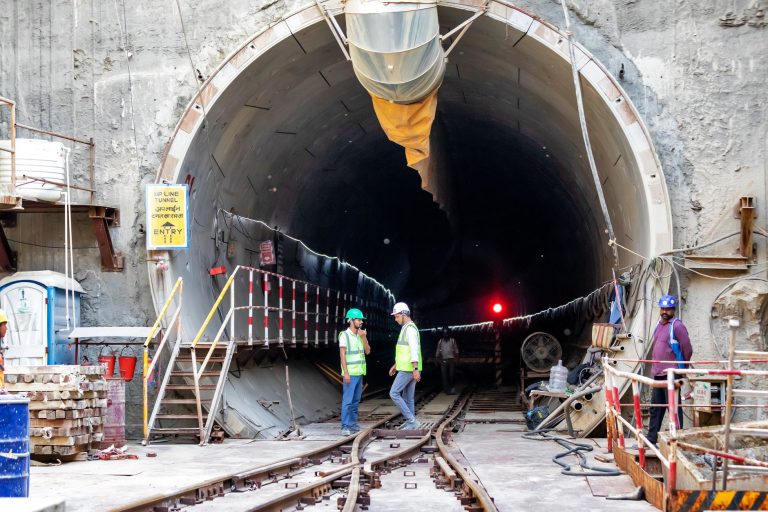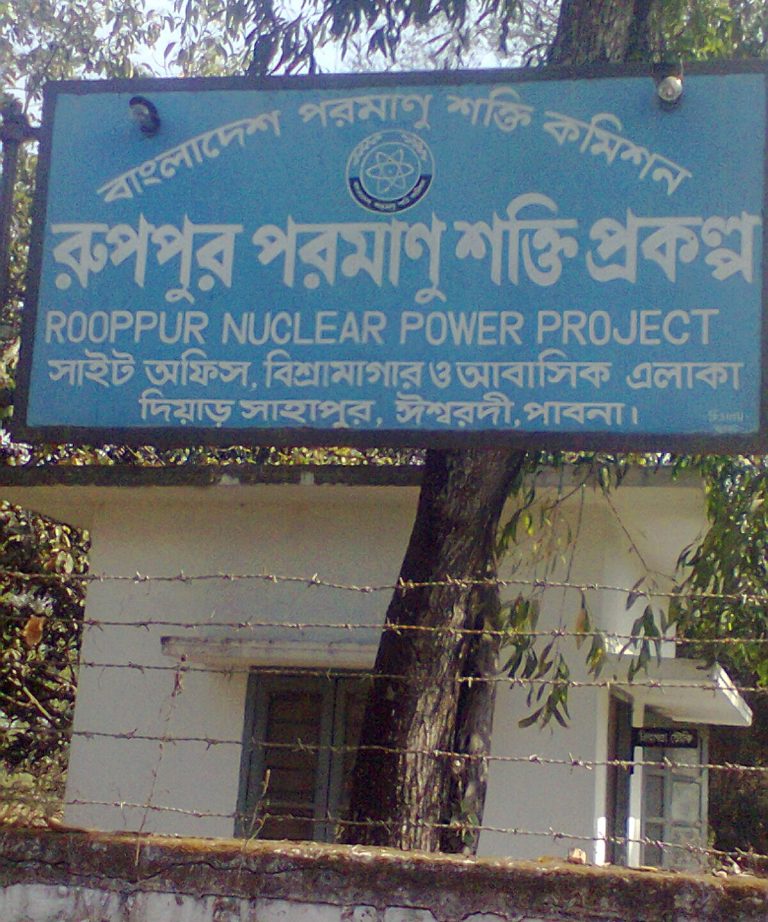
Nuclear power projects are gaining momentum in Gujarat following the recent MoU signed between NPCIL and GSECL. This collaboration aims to enhance the state’s energy landscape.
Overview of the NPCIL and GSECL MoU
The recent signing of a Memorandum of Understanding (MoU) between the Nuclear Power Corporation of India Limited (NPCIL) and the Gujarat State Electricity Corporation Limited (GSECL) marks a significant step forward in the development of nuclear power projects in Gujarat. This collaboration aims to enhance the state’s energy capacity while ensuring a sustainable and reliable power supply.
Under the terms of the MoU, both organizations will work together to explore various opportunities for the establishment and operation of nuclear power plants in the region. This partnership is expected to leverage NPCIL’s extensive experience in nuclear technology and GSECL’s operational expertise in the energy sector.
The initiative aligns with India’s broader commitment to expanding its nuclear energy portfolio as part of its strategy to meet rising energy demands and reduce carbon emissions. Nuclear power projects are seen as a viable alternative to fossil fuels, offering a cleaner energy source that can help combat climate change.
In addition to generating electricity, these projects are anticipated to create numerous job opportunities and stimulate economic growth in Gujarat. The successful execution of this MoU will not only strengthen the energy infrastructure but also position Gujarat as a leader in sustainable energy production.
Impacts on Gujarat’s Energy Sector
The recent Memorandum of Understanding (MoU) signed between the Nuclear Power Corporation of India Limited (NPCIL) and the Gujarat State Electricity Corporation Limited (GSECL) marks a significant milestone for Gujarat’s energy sector. This collaboration is set to enhance the state’s energy landscape through the development of nuclear power projects.
With a focus on sustainable energy, the partnership aims to address the increasing demand for electricity while reducing carbon emissions. The introduction of nuclear energy will play a crucial role in diversifying Gujarat’s energy mix, leading to greater energy security.
Key impacts of this collaboration include:
- Job Creation: The nuclear power projects are expected to generate numerous jobs, providing employment opportunities for local communities.
- Investment Boost: Significant investments in infrastructure are anticipated, which will further stimulate the local economy.
- Clean Energy Production: By harnessing nuclear energy, Gujarat will reduce its reliance on fossil fuels, contributing to a cleaner environment.
- Technological Advancements: The partnership will facilitate the transfer of cutting-edge technologies, enhancing operational efficiencies in energy production.
As the state embarks on this journey, the positive implications of nuclear power projects are expected to resonate across various sectors, ultimately benefiting the residents of Gujarat.
Future of Nuclear Energy in India
The future of nuclear energy in India looks promising, particularly with the recent developments in Gujarat. The collaboration between the Nuclear Power Corporation of India Limited (NPCIL) and the Gujarat State Electricity Corporation Limited (GSECL) is set to pave the way for significant advancements in nuclear power projects. This partnership aims to enhance energy security and reduce reliance on fossil fuels, contributing to a sustainable energy landscape.
As India strives to meet its growing energy demands, nuclear power projects are becoming increasingly vital. The integration of nuclear energy not only supports the country’s ambition for a greener economy but also aligns with global efforts to combat climate change. With advancements in technology and safety protocols, the public’s perception of nuclear energy is gradually shifting towards a more favorable view.
Key factors that will influence the future of nuclear energy in India include:
- Investment in Infrastructure: Continued investment will be crucial to develop and maintain nuclear power plants.
- Public Awareness: Educating the public about the benefits and safety of nuclear energy can foster greater acceptance.
- Regulatory Framework: A robust regulatory environment will ensure safety and efficiency in nuclear power projects.
Ultimately, the NPCIL and GSECL partnership may serve as a model for future nuclear energy initiatives across the nation.
Key Benefits of Nuclear Power
Nuclear power projects present a range of significant benefits that can enhance energy security and sustainability in Gujarat. The collaboration between NPCIL and GSECL is set to unlock these advantages, contributing positively to the region’s energy landscape.
- Reduced Carbon Emissions: One of the primary benefits of nuclear power is its ability to generate electricity with minimal greenhouse gas emissions. This shift towards cleaner energy sources aligns with global efforts to combat climate change.
- Stable Energy Supply: Nuclear power projects provide a reliable and continuous energy supply, lessening dependence on fossil fuels, which can be subject to price volatility and supply disruptions.
- Job Creation: The development and operation of nuclear power facilities will create numerous jobs, supporting local economies and enhancing skill development in the region.
- Energy Independence: By investing in nuclear power, India can reduce its reliance on imported energy, fostering greater energy independence and security.
- Technological Advancements: The partnership encourages innovation and technological advancements in the energy sector, ensuring that Gujarat remains at the forefront of energy solutions.
These key benefits underscore the importance of nuclear power projects in shaping a sustainable energy future for Gujarat and the broader region.
Challenges Ahead for Nuclear Projects
Despite the promising outlook for nuclear power projects in Gujarat, several challenges loom on the horizon that could hinder progress. One primary concern is the public perception of nuclear energy, which often stems from fears associated with safety and environmental impact. Addressing these concerns through transparent communication and community engagement will be essential for gaining public support.
Additionally, regulatory hurdles can pose significant delays in the development of nuclear projects. The approval processes for new nuclear facilities can be lengthy and complex, necessitating compliance with stringent regulations that are designed to ensure safety and security. This can result in increased costs and extended timelines for project completion.
Furthermore, financing these nuclear power projects remains a critical factor. The substantial initial investment required may deter potential investors, especially in a market that is increasingly favoring renewable energy sources. Establishing a solid financial framework will be crucial for the successful implementation of these projects.
Lastly, the availability of a skilled workforce is vital. As the demand for nuclear energy grows, ensuring that there are enough trained professionals to manage and operate the facilities will be a key challenge for the sector moving forward.
By Masum-al-hasan via Openverse
Where this came from
Related reading
Delhi-NCR home prices: Clear jump of 12% in Q3 · Cyprus home prices: What’s the Best Strategy for Buyers? · Is the Smart Home Hub from Apple the Best Option Yet?
About the Author