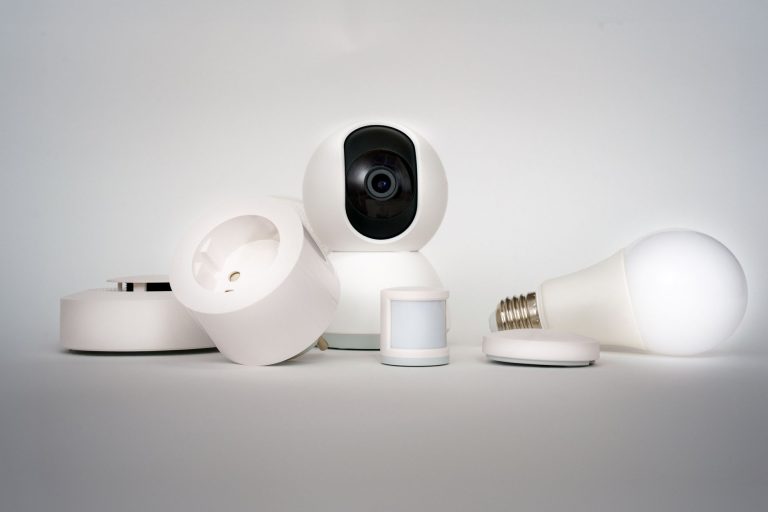
The smart-home hub launch by Apple is set for October, according to recent reports. This new device aims to revolutionize home automation and connectivity.
What is a Smart-home Hub?
A smart-home hub is a centralized device that enables users to control various smart home devices from a single interface. These hubs streamline the management of connected appliances, security systems, lighting, and climate controls, enhancing the overall convenience of smart living.
Typically, a smart-home hub connects to multiple devices using various communication protocols, such as Wi-Fi, Zigbee, or Z-Wave. This compatibility allows users to integrate products from different manufacturers into one cohesive system, simplifying the user experience. For many homeowners, a smart-home hub acts as the brain of their smart home, coordinating actions and automating tasks.
With advancements in technology, modern smart-home hubs also offer features such as:
- Voice Control: Many hubs support virtual assistants like Siri, Alexa, or Google Assistant, enabling users to control devices through voice commands.
- Remote Access: Users can manage their smart devices from anywhere using a smartphone app, providing convenience and peace of mind.
- Automation: Users can set schedules and routines, allowing devices to operate automatically at specified times.
- Energy Management: Smart-home hubs can help monitor and reduce energy consumption by optimizing device usage.
As Apple plans its smart-home hub launch this October, consumers can expect innovative features that enhance the functionality of their connected devices.
Apple’s Vision for Smart Homes
Apple is set to revolutionize the smart-home landscape with its upcoming smart-home hub launch scheduled for October. The tech giant envisions a seamless integration of various smart devices, creating a cohesive ecosystem that enhances user convenience and comfort.
According to sources, Apple aims to simplify the management of smart devices through a unified platform. This innovative hub will allow users to control lighting, thermostats, security cameras, and other connected gadgets from a single interface, making home automation more accessible. With a focus on user-friendly design, Apple’s hub promises to be intuitive and easy to navigate.
Key features expected to be included in the smart-home hub are:
- Voice Control: Integration with Siri for hands-free operation.
- Energy Efficiency: Smart energy management tools to monitor and reduce consumption.
- Enhanced Security: Advanced security features to protect users’ data and privacy.
- Compatibility: Support for a wide range of third-party devices to maximize usability.
As Apple prepares for its smart-home hub launch, the company continues to emphasize privacy and security, making it a key priority in its design and functionality. The anticipation surrounding this product reflects a growing trend towards smarter, more interconnected homes.
Key Features of the Upcoming Hub
As Apple gears up for its smart-home hub launch this October, several key features have been revealed that promise to redefine home automation.
- Integration with Apple Ecosystem: The new smart-home hub is expected to seamlessly integrate with existing Apple devices, allowing users to control their smart home gadgets directly from their iPhone, iPad, or Mac.
- Enhanced Security: Apple is placing a strong emphasis on security, with features designed to protect users’ data and privacy. The hub will utilize advanced encryption methods to ensure that all communications between devices are secure.
- Voice Control: With built-in support for Siri, users will be able to control their smart devices using voice commands. This feature aims to enhance user convenience and accessibility throughout their homes.
- Energy Management: The hub will include functionalities to monitor and manage energy usage across connected devices, helping users reduce their carbon footprint and save on electricity bills.
- Customization Options: Users will have the ability to create personalized routines and automations, allowing them to customize how their smart home responds to various situations throughout the day.
The smart-home hub launch this October is highly anticipated, as it represents Apple’s commitment to providing innovative solutions for modern living.
Market Competition Overview
The market for smart-home devices is becoming increasingly competitive as tech giants strive to capture consumer interest. With Apple’s smart-home hub launch slated for October, industry analysts are keenly observing how this move will impact existing market players.
Currently, the smart-home landscape is dominated by several key players, including:
- Amazon: Their Echo line has established a strong foothold, integrating Alexa into countless devices and offering a wide range of compatibility.
- Google: With Google Nest, the company has successfully merged smart speakers and home automation, appealing to tech-savvy consumers.
- Samsung: Known for its SmartThings platform, Samsung has created a robust ecosystem that connects various appliances and devices.
As Apple prepares for its smart-home hub launch, it aims to differentiate itself by focusing on privacy and user experience. The company’s reputation for sleek design and seamless integration within its ecosystem could attract both loyal customers and new users.
However, Apple faces challenges in persuading consumers to switch from established brands. The competitive landscape is marked by deep-rooted customer loyalty to existing platforms. As the launch date approaches, it remains to be seen how Apple’s entry will shake up the dynamics of the smart-home market.
User Expectations and Reactions
As anticipation builds around the upcoming smart-home hub launch, users have taken to social media and online forums to express their expectations and reactions. Many consumers are eager to see how Apple’s latest offering will integrate with existing devices and enhance their smart home ecosystems.
Several key themes have emerged from user discussions:
- Seamless Integration: Users expect the new hub to offer unparalleled compatibility with a wide range of smart home devices, allowing for smoother operation and easier management of their connected environments.
- Enhanced Security: With privacy concerns at the forefront, many potential buyers are hopeful that Apple will prioritize security features in the new hub, ensuring that their personal data remains protected.
- Intuitive User Experience: Consumers are looking for an intuitive interface that simplifies the control of multiple devices. They want to see a focus on user-friendly design and accessibility.
- Customization Options: Personalized settings and automation features are high on the list of user expectations, as homeowners seek to tailor the smart-home hub to fit their unique lifestyles.
Overall, the excitement surrounding the smart-home hub launch is palpable, with many consumers eager to see how Apple will redefine the connected home experience this October. As the launch date approaches, the tech community remains abuzz with speculation and hope for innovative advancements.
Sources
Lunchtime concerts: Best Proven Experience in Malta · Mercedes-Benz GLC Electric: Best Proven Features to Know · Lakadia-C transmission project: Best proven infrastructure win
About the Author